

























Key Takeaways
- Social media should be treated as a core pillar of trade show strategy, not an afterthought.
- Pre-event teasers and targeted outreach help build awareness and book meetings before the show even starts.
- Real-time trade show social media posts amplify booth activity and attract on-floor visitors.
- Post-event executive summaries and follow-ups extend visibility well beyond the exhibition dates.
- When paired with paid campaigns and inbound outreach, social platforms become a powerful extension of your booth—driving higher-quality leads and stronger ROI.
Trade shows remain one of the most powerful growth channels for B2B brands. They bring decision-makers, buyers, partners, and press together under one roof. But simply showing up with a business booth is no longer enough.
Today, your real trade show presence starts weeks and even months before the event; and continues long after it ends. Social media has become the connective tissue between physical exhibitions and digital engagement, transforming traditional trade show marketing into a multi-touch experience that drives awareness, booth traffic, and qualified leads.
When done right, trade show promotion across social platforms doesn’t just amplify visibility – it builds momentum, starts conversations, and creates opportunities before your team even arrives on the show floor.
Let’s break down how social media can elevate your next event, what platforms work best, how to measure ROI.
Why Trade Shows Need a Strong Social Media Strategy
Trade shows are crowded. Hundreds, sometimes thousands, of exhibitors compete for attention. Without a strong digital presence, even the most innovative products risk being overlooked.
A smart social strategy allows you to:
- Build awareness before attendees arrive
- Drive targeted traffic to your booth
- Create multiple touchpoints with prospects
- Support sales conversations with live content
- Extend the lifespan of your event investment
Social media also enables something traditional trade show marketing can’t: pre-qualification. You can engage potential buyers before the show, nurture interest during the event, and continue conversations afterward.
At SAGE Marketing, we see social media as part of a larger go-to-market engine – especially when aligned with product launches and demand generation. This thinking connects closely with the evolving role of the Social Media Manager as a GTM Technologist, where platforms become revenue-driving tools rather than just content channels. You can explore that mindset shift in this blog.
For B2B startups especially, trade shows paired with social amplification are often one of the fastest paths to market visibility, when marketing is treated as a strategic investment, not a cost center.
Before the Show: Build Anticipation and Reach New Audiences
Your trade show presence should start at least 4–6 weeks before the event.
1. Tease Your Attendance (Early and Often)
Begin by announcing:
- Which show you’re attending
- Your booth number
- What you’re launching or demoing
- Who from your team will be there
Post 1-2 times per week leading up to the event across LinkedIn, X, and Instagram (depending on your audience).
Best practices:
- Tag the event organizer
- Use official hashtags
- Mention partners or collaborators
- Include visuals of your product or booth build
This increases organic reach and puts your brand into the event’s digital ecosystem.
Example:
RodRadar – Ahead of bauma, the largest construction trade show in Europe, RodRadar published teaser posts highlighting live demos, technical sessions, and key technology capabilities – consistently tagging the event and using relevant hashtags to increase reach and traction. They also created a 4–3–2–1 countdown to show start, sharing short videos and photos of booth preparations. All of these posts generated inbound meeting requests before doors even opened and led to a noticeable increase in page followers.
2. Use Social as an Outreach Channel
Don’t just broadcast – engage.
- Comment on event posts
- Connect with speakers and attendees on LinkedIn
- Reach out directly to prospects attending the show
- Invite them to your booth or book meetings
This organic approach often outperforms cold outreach because it’s contextual and timely.
3. Support with PPC Campaigns
Paid trade show advertising amplifies your organic efforts.
Effective pre-show campaigns include:
- LinkedIn ads targeting job titles attending the event
- Geo-targeted ads near the venue
- Sponsored posts announcing demos or giveaways
Even modest budgets can deliver results when paired with strong creative and clear CTAs like “Meet us at Booth 412.”
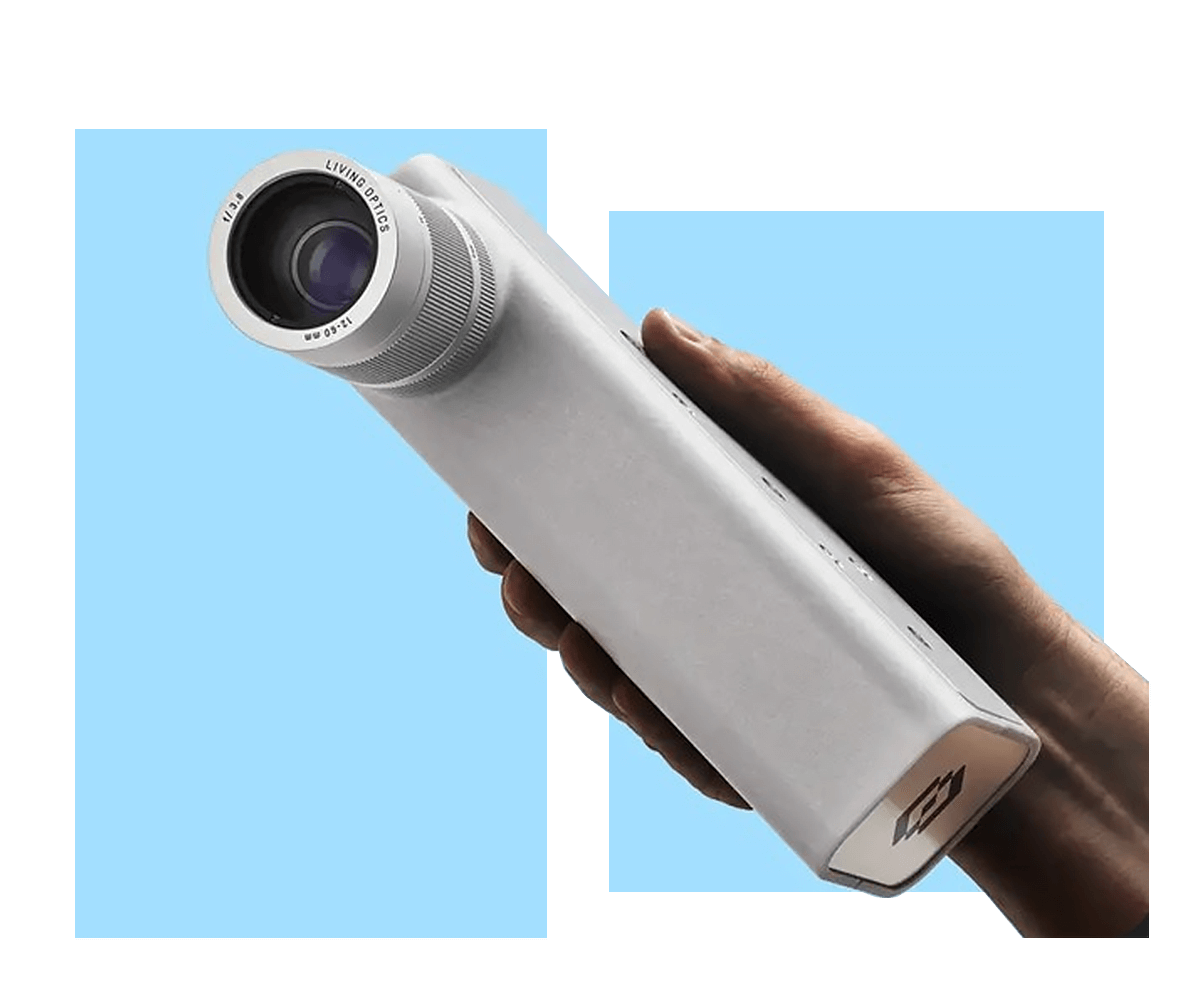
Living Optics Case in point: ahead of key industry events, Living Optics boosted short, animated videos showcasing the camera’s capabilities, paired with clear calls to action inviting audiences to schedule a live demo. This helped build awareness before the show, drive qualified booth traffic, and secure meetings in advance.
Even modest budgets can deliver results when paired with strong creative and clear CTAs like “Meet us at Booth 412.”
For startups navigating their first exhibitions, this guide is worth bookmarking.
4. Activate Inbound Marketing Before the Show
Don’t wait for prospects to discover your booth – go find them first.
Many exhibitions publish attendee lists, and even when they don’t, you can proactively build your own target audience using tools like LinkedIn Sales Navigator and similar platforms. Identify professionals who are likely to attend, connect with them on LinkedIn, and follow up with a personal message inviting them to visit your booth or schedule a meeting in advance.
Living Optics successfully used this approach ahead of major shows – building targeted contact lists, connecting directly with relevant decision-makers, and personally inviting them for live demos. This inbound strategy helped turn cold audiences into warm booth visitors, maximizing face-to-face opportunities and improving overall ROI from the event.
During the Show: Turn Your Booth into a Content Engine
Your business booth shouldn’t just attract foot traffic – it should generate content.
High-performing tradeshow social media posts typically include:
- Live demos
- Customer testimonials
- Short product videos
- Team photos
- Behind-the-scenes moments
- Partner shoutouts
Aim for at least 1 post per day during the event.
What works best:
- Vertical video (especially for LinkedIn and Instagram)
- Human faces
- Short captions with clear value propositions
- Real-time updates like “Now demoing in Hall B.”
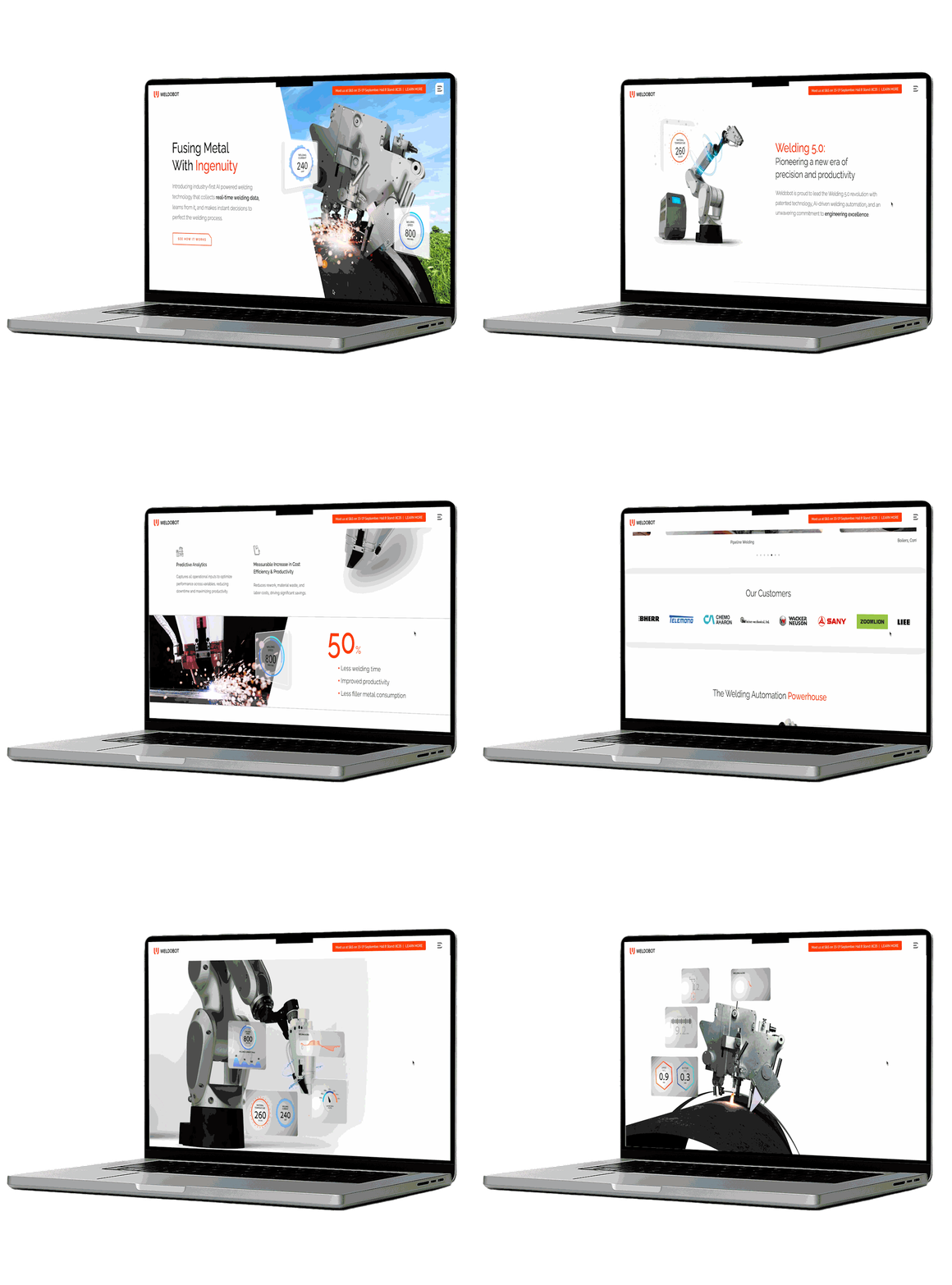
Weldobot leveraged short, authentic videos from the show floor – featuring engineers explaining real welding challenges – to cut through noise and showcase expertise. These posts drove both booth visits and post-event demo requests.
RodRadar leveraged the momentum of the show by sharing real-time posts that highlighted a crowded booth and live engagement on the floor. Most importantly, after the event, the team published executive-led summary posts featuring key insights, tagged connections made during the show, and standout highlights – extending visibility beyond the exhibition and sustaining post-show interest.
Pro tip: Create a simple content plan in advance:
- Morning: booth readiness or daily agenda
- Midday: live demo or customer interaction
- Afternoon: product highlight or team moment
This keeps your messaging consistent while leaving room for spontaneity.
Choosing the Right Social Media Platforms for Your Audience
Not every platform delivers equal value for trade show marketing.
Here’s a quick guide:
Best for B2B lead generation, executive visibility, and professional audiences. Ideal for product launches, thought leadership, and meeting invites.
X (Twitter)
Great for real-time updates, event hashtags, and industry conversations.
Perfect for visual storytelling, booth design, team culture, and short videos.
YouTube / LinkedIn Video
Excellent for longer demos and technical explanations.
Most B2B exhibitors see the strongest ROI from LinkedIn paired with one supporting platform.
The key is alignment: choose channels based on where your buyers already spend time, not where it’s easiest to post.
Measuring the ROI of Social Media for Trade Shows
If you’re investing time and budget, you need clear metrics.
Track:
- Booth traffic influenced by social
- Meeting bookings from social links
- Engagement on tradeshow social media posts
- Follower growth during the event
- Leads sourced from paid campaigns
- Post-event demo requests
Use UTM links and QR codes at your booth to connect offline interactions with online data.
True ROI comes from pipeline contribution – not just likes.
At SAGE Marketing, we recommend building dashboards that connect social performance directly to HubSpot CRM activity, giving marketing and sales shared visibility.
Common Mistakes to Avoid on Social Media at Trade Shows
Even experienced teams fall into these traps:
- Posting only once before the show
- Forgetting to tag the event
- Sharing generic content with no CTA
- Ignoring comments or DMs
- Over-polishing instead of being authentic
- Failing to follow up after the event
Another common issue: booth staff are unaware of the live social strategy. When sales teams know what’s being posted, they can reinforce messages during conversations – creating a unified brand experience.
Final Thoughts
Trade shows are no longer isolated events – they’re campaigns.
When social media becomes an integrated part of your trade show marketing, your presence extends far beyond your physical footprint. From pre-show teasers and trade show advertising to live content and post-event follow-ups, platforms become your digital booth – working 24/7 to attract, engage, and convert.
Brands like RodRadar, Living Optics, and Weldobot prove that with the right strategy, social media transforms exhibitions from one-off appearances into scalable growth opportunities.
If you’re ready to elevate your next trade show presence, start thinking beyond the booth- and let social do the heavy lifting.
FAQs
Which metrics truly measure trade show social media impact?
Focus on metrics tied to business outcomes: meeting bookings, qualified leads, demo requests, and pipeline influence. Engagement metrics matter, but ROI comes from tracking how social drives booth visits and sales conversations using UTM links, QR codes, and CRM attribution.
What low-cost tactics boost social buzz for small businesses?
Organic engagement works wonders. Comment on event posts, tag partners, share behind-the-scenes content, and encourage employees to repost. Short videos from your business booth and authentic team moments often outperform polished ads – without requiring big budgets.
How should booth staff support your live social strategy?
Staff should know the daily content plan, suggest moments worth capturing, and invite visitors to follow your channels. Quick interviews, demo clips, or customer quotes recorded on phones can fuel powerful tradeshow social media posts in real time.
Which platforms work best for trade show audience engagement?
For most B2B brands, LinkedIn delivers the highest-quality leads. Instagram supports visual storytelling, while X helps with live event visibility. The best mix depends on where your buyers are active – start with LinkedIn and expand strategically.