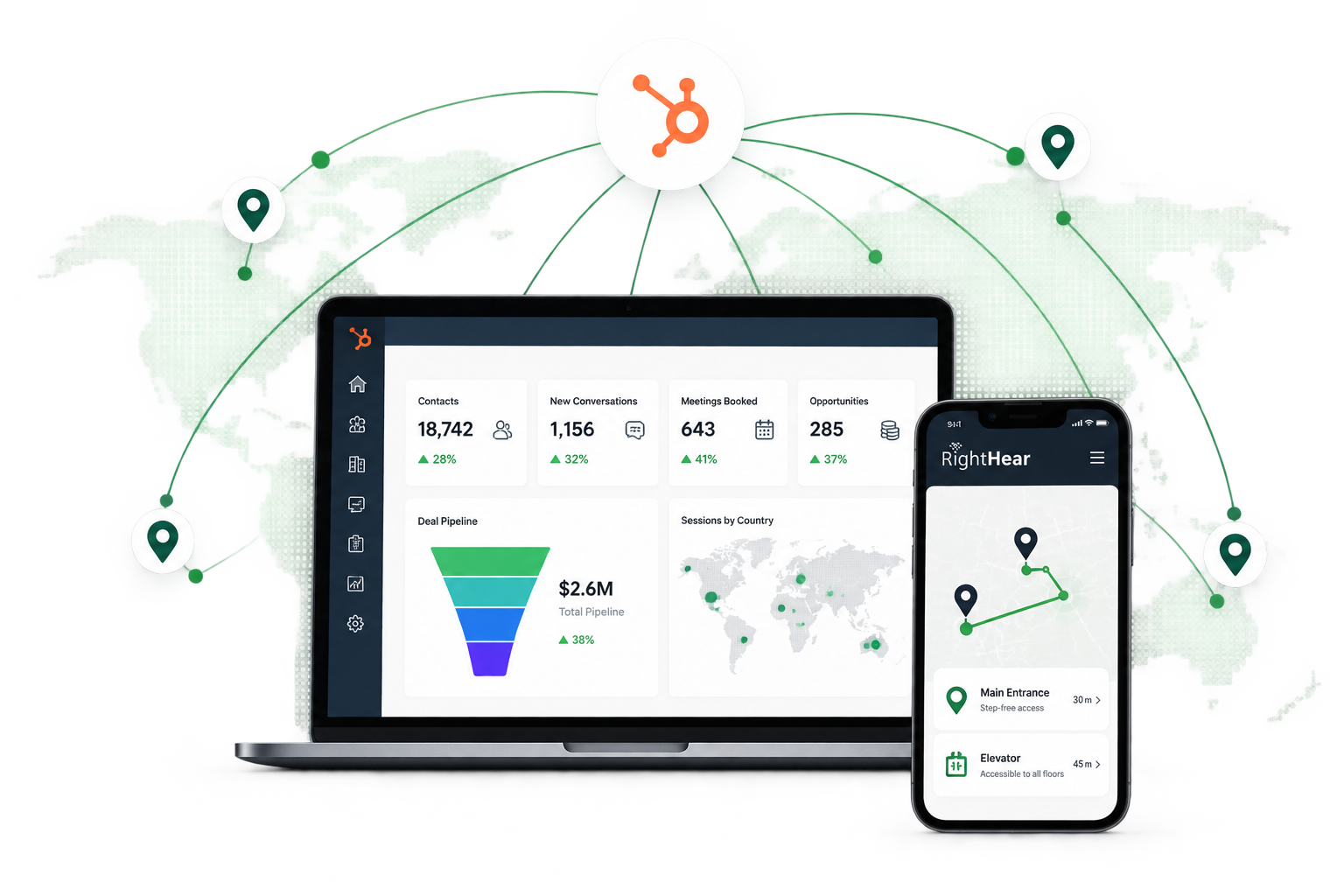
RightHear transforms public spaces into accessible environments for people with orientation challenges through its audible wayfinding system. The company helps enterprises, venue operators, and facilities managers improve accessibility, support regulatory compliance, enhance the visitor experience, and strengthen their brand image by enabling people to navigate spaces more independently.
As the category leader in audio format signage, RightHear is active in over 2,500 locations worldwide and is trusted by global brands such as Microsoft, Grand Hyatt, Costa Coffee, and McDonald’s Israel. Through its free app and growing user community, RightHear is helping make inclusive navigation a global standard.
As RightHear continued expanding across geographies, verticals, and more than 15 niche market segments, the company needed HubSpot to become a scalable go-to-market engine - one that could help its SDR team manage outbound activity, reactivate leads, track segment performance, and build a stronger foundation for global growth.
open websiteBuild a repeatable outbound engine in HubSpot. RightHear needed a structured way to manage outbound prospecting across multiple niche segments and geographies. The goal was to replace a manual SDR process with a repeatable HubSpot architecture that could support consistent outreach, clear follow-up logic, and faster execution.
Increase SDR capacity and automate lead reactivation. The team’s SDR capacity was limited by manual workflows, context switching, and inconsistent follow-up. A key goal was to help each SDR manage more prospecting activity per day, while automatically bringing relevant contacts back into the SDR workflow after a defined period of inactivity.
Create reporting and forecasting visibility across segments. RightHear needed better visibility into outbound performance, inbound activity, pipeline status, and segment-level conversion. The goal was to give leadership a structured reporting foundation for monthly revenue forecasting and better decision-making across its go-to-market operation.
Increase in SDR Daily Outreach Capacity
Discovery Calls Booked in Their Strongest-Performing Month
New Leads Per Week from Automated Lead Reactivation
1. RightHear had been using HubSpot for several years, but the system was not structured as a scalable revenue operations platform. HubSpot was being used tactically rather than as a cohesive operating system for outbound activity, pipeline creation, lifecycle management, automation, and reporting. Without consistent sequences, naming conventions, workflows, and reporting logic, prospecting activity was not fully connected to pipeline visibility.
2. The SDR team was also constrained by manual processes. Each SDR was managing outreach to approximately 20 prospects per day, while manually adapting follow-up based on different call outcomes: speaking with a prospect, leaving a voicemail, reaching someone without booking a meeting, or making no contact. This created unnecessary context switching and made it harder to ensure every prospect received the right follow-up at the right time.
3. RightHear also lacked a scalable mechanism for lead reactivation and segment-level performance tracking. Contacts disqualified due to timing were going cold instead of being automatically reintroduced into the SDR workflow. At the same time, inbound leads were entering through email and being handled manually, while leadership lacked the dashboards and conversion reporting needed to track segment performance and forecast revenue with confidence.
SAGE Marketing redesigned RightHear’s HubSpot environment as a scalable revenue operations engine for outbound execution, lead reactivation, reporting, and forecasting. The engagement included CRM architecture alignment, lifecycle structure, data model optimization, and Marketing Hub onboarding based on SAGE best practices.
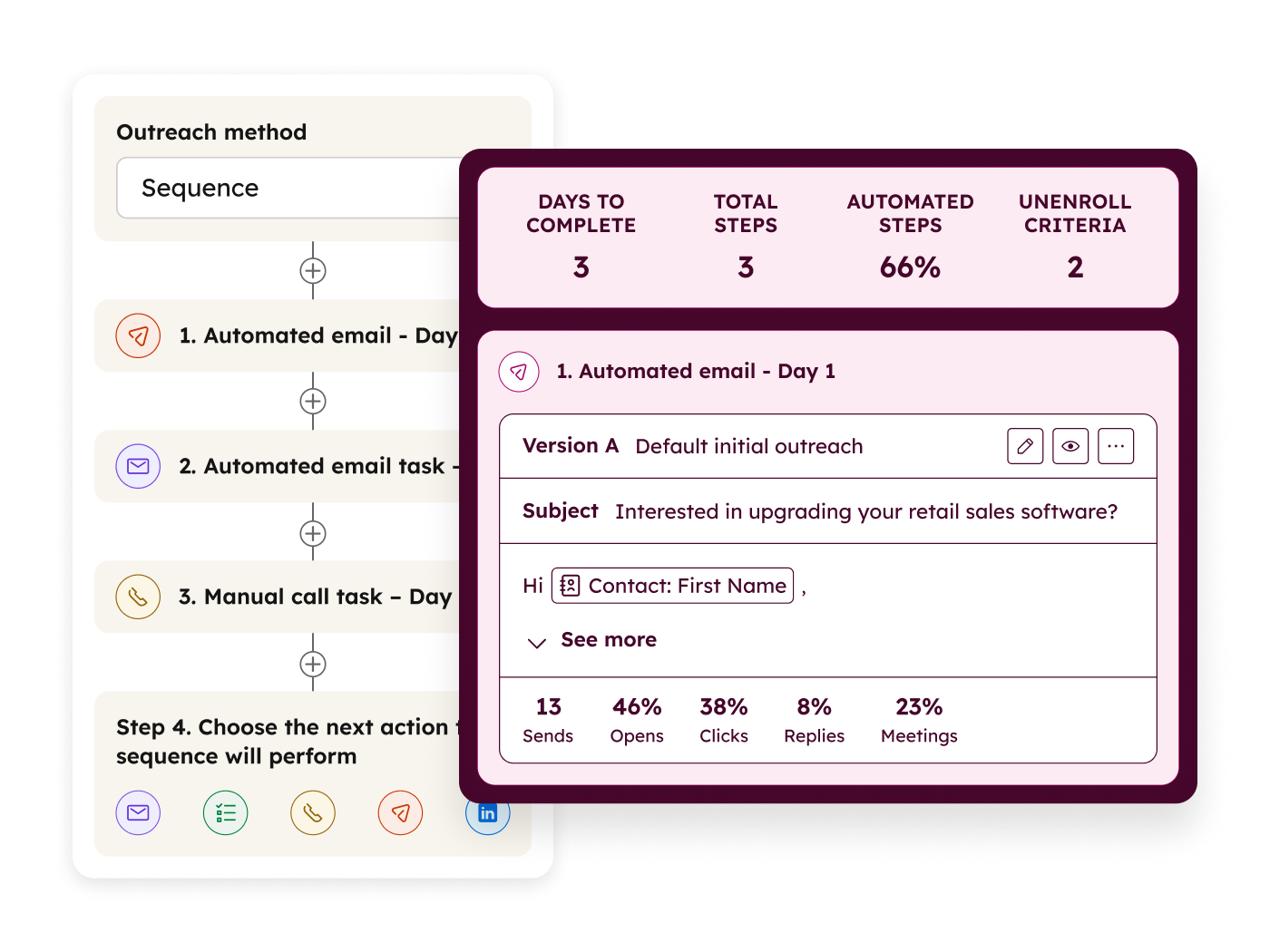
A major part of the solution focused on building a branching outbound sequence architecture. SAGE designed a multi-path sequence that starts with up to three prospecting calls and then branches into four outcome-based tracks: connected and spoke, left a voicemail, reached someone without booking a meeting, or no contact. Each branch triggers a calibrated four-email, three-call follow-up sequence, so every outcome is handled automatically with no manual decision required from the rep.
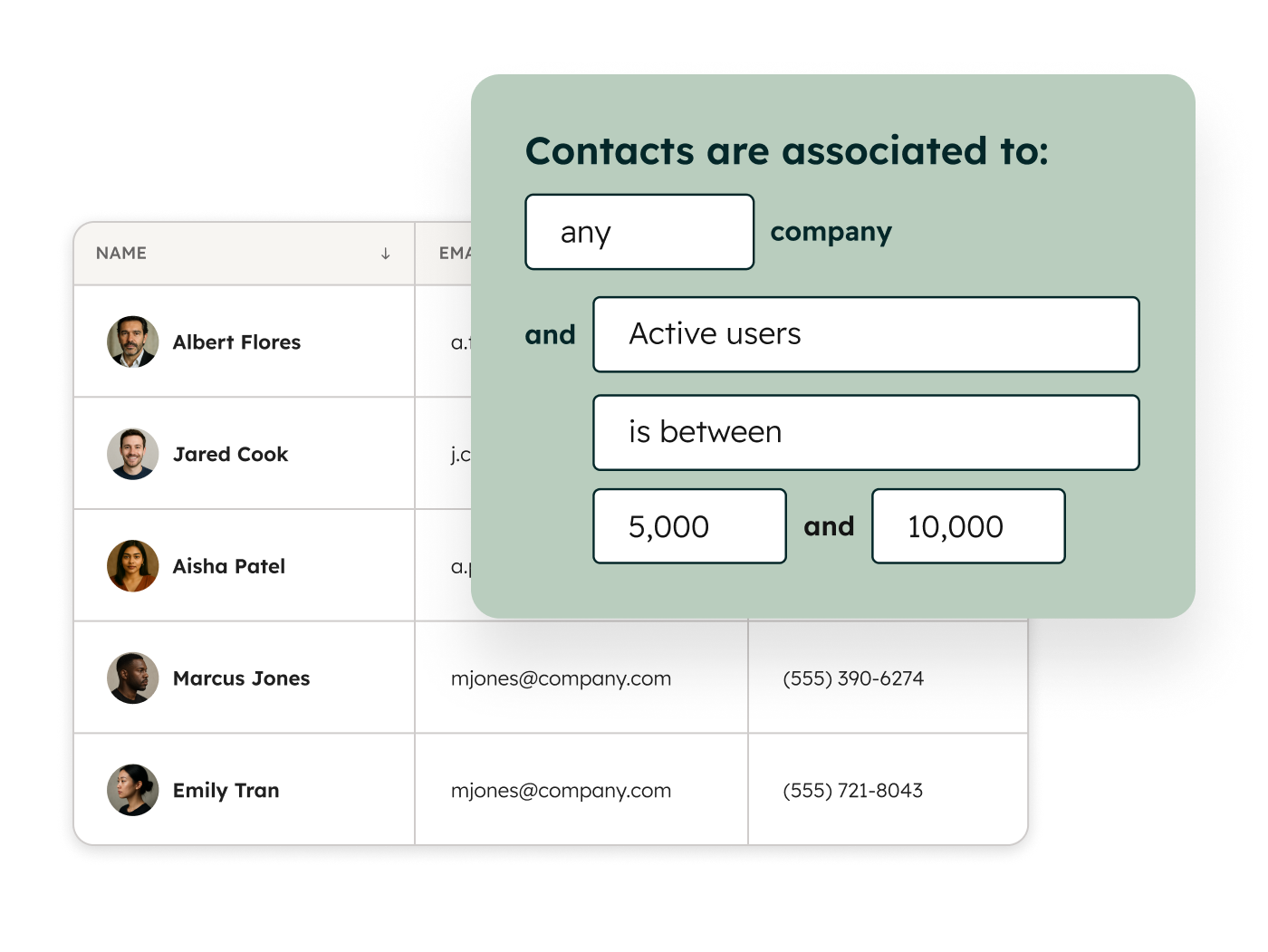
SAGE also created the operational framework needed to scale this model across more than 15 niche market segments. This included structured naming conventions, template organization, custom properties, lead/contact sync, and a system that allows the team to duplicate, adjust, and launch new sequences faster. The goal was not just to build sequences, but to create a repeatable outbound operating model that RightHear could continue expanding across segments and geographies.
To support lead reactivation, SAGE built a 180-day re-enrollment workflow that automatically brings relevant contacts back into the SDR workflow after a defined period of inactivity. This helps RightHear re-engage prospects who were not ready at the first touchpoint, without relying on manual list reviews or SDR memory. The workflow is already generating 20–30 additional leads per week for the parks segment alone, with additional market segments being rolled out progressively.
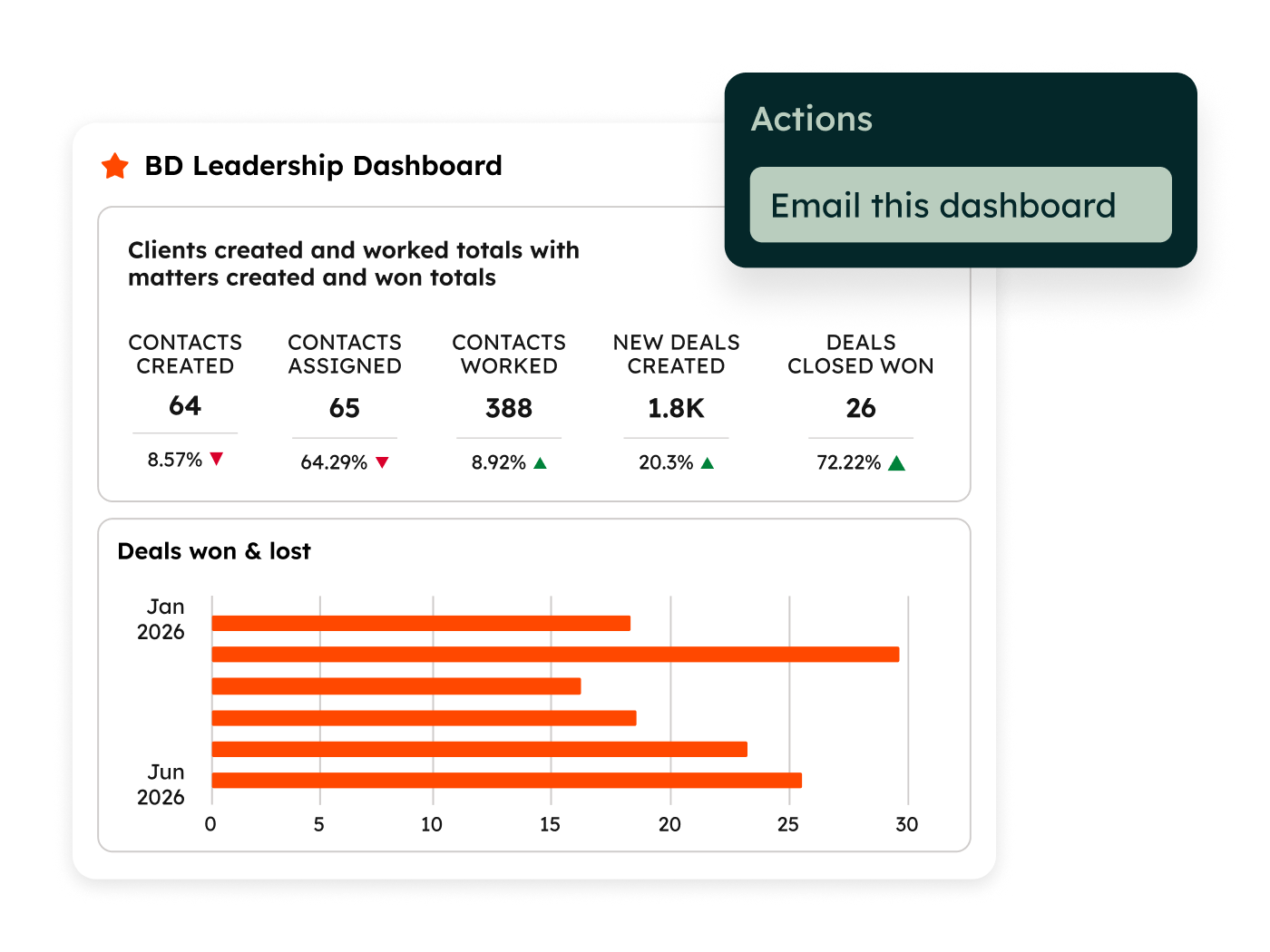
SAGE also built conversion dashboards and reporting infrastructure to give RightHear better visibility into segment performance, pipeline stage distribution, and inbound-versus-outbound activity. This gave leadership the ability to set and track a formal monthly revenue forecast for the first time.
“Working with SAGE gave us the structure we needed to move faster, make better decisions in HubSpot, and keep improving our processes. The impact has been clear: we were able to significantly increase our discovery call volume and make our SDR process much more efficient. That efficiency was made possible by the way the sequences and overall HubSpot architecture were built. From a partnership standpoint, we’ve been extremely pleased and wouldn’t hesitate to work with SAGE again.”
Come closer! What did you say your name was?