







































If you think your trade show expense is booth design and space – well… think again!
Most companies build their trade show budget around what they can see: booth size, furniture, graphics, screens, carpets, and lighting. But the truth is that the booth, no matter how large or beautiful, is only a fraction of what drives real ROI.
At SAGE, we treat tradeshows as strategic growth engines, not décor projects. What determines your success isn’t how many meters your booth spans. It’s how well you plan before the show, how creatively you execute during the show, and how disciplined you are after the show. When these three phases work together, trade shows turn into predictable pipeline machines – not unpredictable expenses.
It All Starts Before the Booth: Strategy, Messaging & Outreach
The most powerful trade show results happen weeks before anyone steps onto the exhibit floor. That starts with a clear message: who you are, the problem you solve, and the story you want your prospect to remember. Without sharp positioning and aligned talking points, even the most impressive booth becomes a wasted opportunity.
Next comes outreach – and this is where the real lift happens. The shows that convert best are the ones where meetings are booked before anyone arrives. Instead of relying on walk-by traffic, you target the right accounts, schedule demos, and fill your team’s calendar. That’s the SAGE playbook: multi-touch sequences, ABM targeting, landing pages, personalized invites, pre-show content, and SDR support. By booking meetings in advance, your booth becomes a hub for productive conversations rather than a passive display. Relationships don’t start when someone steps in front of your graphics, they start in your inbox.
Creative Execution Beyond the Booth
A bigger booth doesn’t mean bigger impact – creative ideas do. Some of the most memorable activities happen outside the booth. Inspired by the thinking of Tom Orbach (page 49 of his book), we embrace unconventional placements and unexpected moments that surprise attendees and cut through noise. Mirror campaigns inside restrooms, floor decals guiding visitors from entrances to the booth, branded venue shuttles, ice cream or popcorn carts, hotel lobby takeovers, and early-morning “Coffee on Us” activations are just a few examples.
These aren’t gimmicks – they’re psychological shortcuts that reach attendees when attention is highest and noise is lowest. They create stories people remember and share. Inside the booth, we use storytelling, interactive demos, mini-masterclasses, and digital tools to engage. The booth becomes a hub, not an endpoint, where every visitor leaves with a clear call to action.
When planning your 2026 tradeshow budget, make sure to include a dedicated line for on-site promotional activities. Costs for floor banners, for example, typically range from $2,000–$4,000, while other sponsorship packages can run anywhere from $2,000 to $30,000, depending on the show’s size and the visibility offered. Remember, a logo alone isn’t enough—think in terms of campaigns, creative giveaways, and engaging experiences that communicate your message and draw attendees to your booth.
Why Pre-Scheduled Meetings Matter More Than Foot Traffic
Many teams still rely on the old “let’s see who comes by” model. Walking the floor doesn’t equal pipeline. Scheduled meetings are the real driver of results, and allocating a significant portion of your 2026 budget and effort here is essential. Pre-show planning includes ABM targeting, ICP segmentation, personalized invitations, pre-show content, landing pages with CTAs, and SDR support. With these steps, you guarantee productive conversations and measurable outcomes rather than hoping for random traffic.
Be sure to include these activities in your tradeshow budget. Costs for landing pages and designed banners vary based on your existing assets, typically ranging from $500 to $2,000.
As far as SDR – If you don’t have an internal SDR team, outsourcing support can cost $1,000–$2,500, depending on hours required, target audience, and the quality of your initial database.
AI tools, like automated agents, can also help you engage prospects before the show with personalized messaging and follow-ups. Tools such as Outreach.io, HubSpot Sequences, and Apollo.io make this possible. While setup requires some technical know-how – configuring workflows, integrating with your CRM, and ensuring compliance – the costs are relatively low compared with hiring a full-time SDR team, typically $50–$300 per user per month.
Cvent reports that; trade shows continue to be a high-investment channel, with marketers planning to spend an average of $1.4 million per show, reflecting a 70% year-over-year increase. Measuring ROI is crucial to justify this investment, and key metrics include the number of qualified leads, percentage of MQLs that become Sales Accepted Leads, and total revenue generated by the event. Tracking these ensures your pre-scheduled meetings translate into measurable pipeline and revenue.
Sales + Marketing Alignment: The Make-or-Break Factor
Even the most strategic plan fails if sales and marketing are misaligned. If sales doesn’t know the narrative, marketing hasn’t defined key messaging, no one owns lead capture, or follow-up processes are chaotic, even the best-looking booth fails. At SAGE, we treat every tradeshow like a synchronized operation: one clear message, one pitch, one demo flow, and one follow-up plan. Alignment ensures that every interaction converts into a real opportunity.
The Most Overlooked Budget Line: Post-Show Follow-Up
This is where most companies lose ROI. Many think a simple “thank you for visiting our booth” email is enough, but true follow-up requires lead scoring, automated workflows, personalized templates, sales alerts, nurture sequences, reporting dashboards, fast-response SLAs, and CRM integration with booth scans. Investing here ensures that leads become opportunities and interest turns into a measurable pipeline.
According to Forrester research on The Global State of B2B Events, some of its key findings on Event Trends were:
- Marketers are focused on extending event impact. To improve event ROI, 92% of respondents plan to improve their post-event attendee follow-up, and 77% are taking this further and looking to build year-round attendee engagement.
- Data and measurement is the number one priority. Budgetary pressures have brought a renewed focus on performance and better ROI measurement (a priority for 95% of respondents).
Beyond revenue metrics, Cvent recommends tracking preshow promotions and cost per opportunity. For example, by measuring which promotional offers drove booth traffic and how much each qualified lead cost, marketers can optimize both strategy and budget allocation. This data-driven approach complements the post-show workflows SAGE emphasizes, ensuring leads are converted efficiently and ROI is maximized.
Yes, Booth Costs Still Matter
Booth costs are important to plan, but they are not the ultimate determinant of success. Typical costs include:
- Small Booths (10×10–10×20): $3k–$10k
- Medium Booths (20×20–20×30): $10k–$50k
- Large Booths (30×30+): $50k–$200k+
While these figures provide necessary context, the real drivers of ROI are strategy, creative execution, pre-scheduled meetings, sales alignment, and post-show follow-up. A modest booth paired with a strong end-to-end strategy will consistently outperform a massive booth without one.
Real Examples: How SAGE Turns Trade Shows Into Growth Engines for its Clients
SAGE has helped dozens of B2B teams across industries – AI, robotics, hyperspectral imaging, cybersecurity, and construction tech – stand out, attract the right audience, and convert more opportunities.
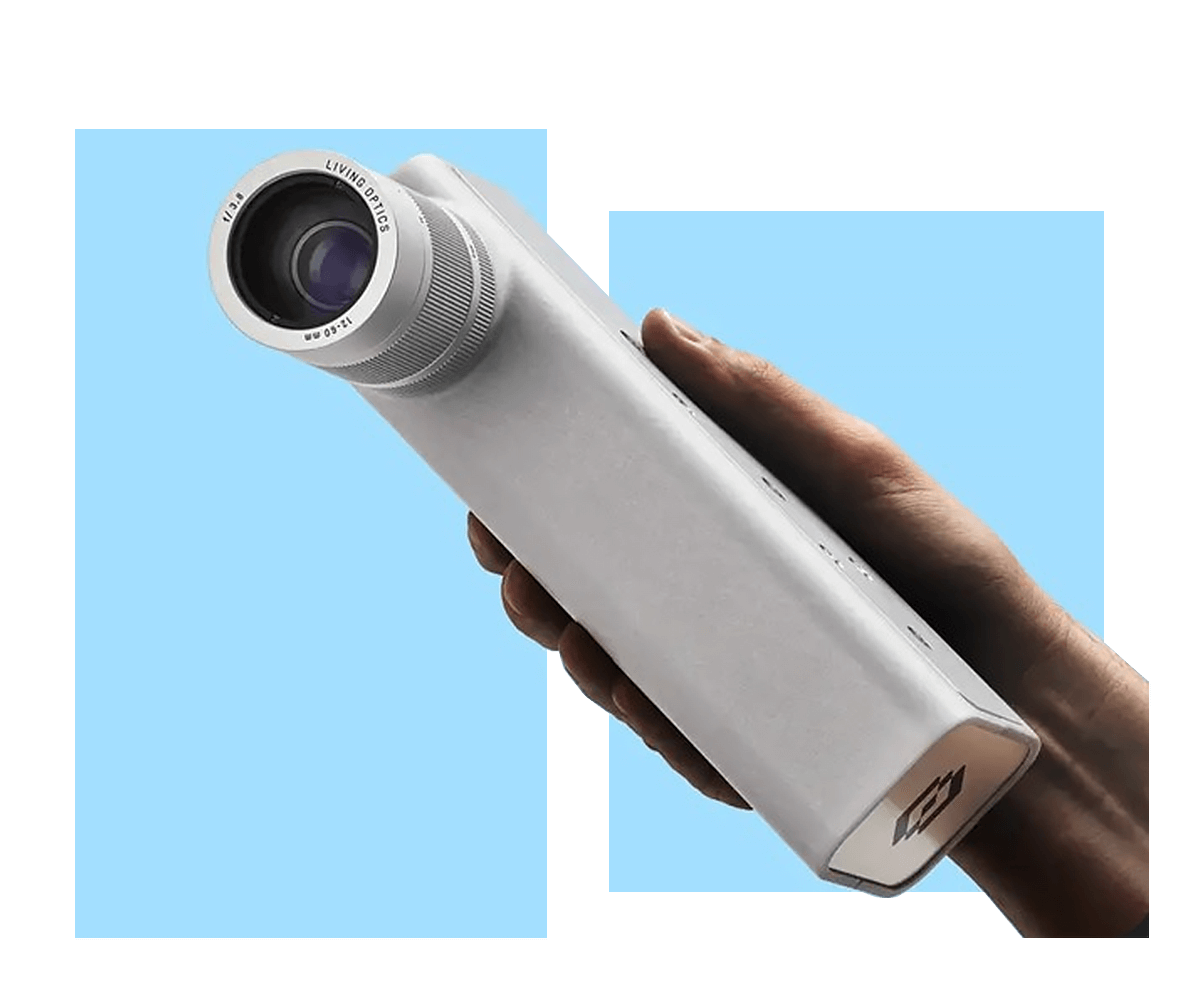
Living Optics – Global Product Launch at SPIE
SAGE led strategy, messaging, creative, booth design, pre-show teasing, social campaigns, PR, and post-show follow-up for the launch of their hyperspectral imaging camera. One standout activation: floor graphics leading attendees from the entrance to a “Win a Free Camera” campaign. The launch generated strong enterprise leads and industry coverage.
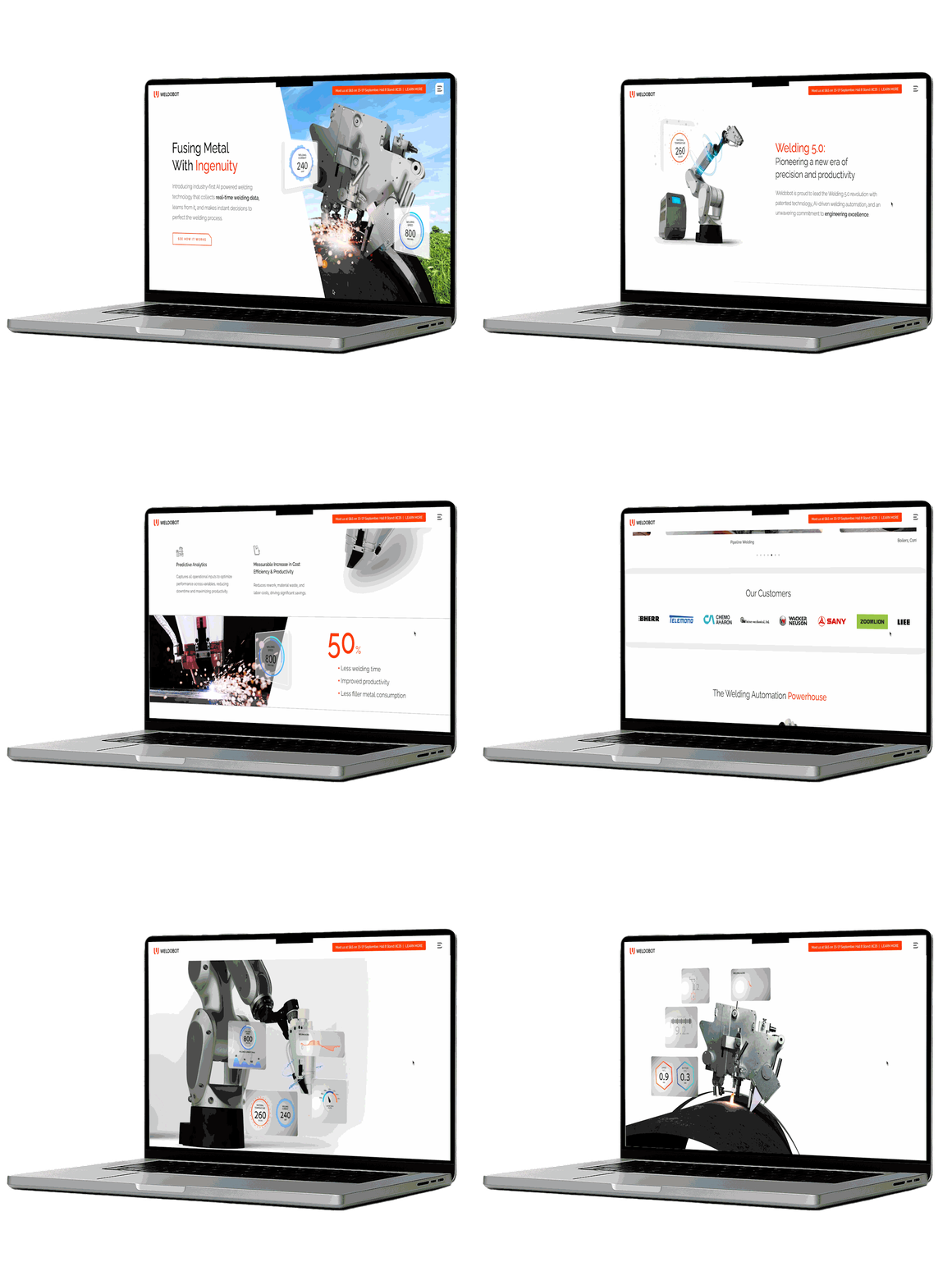
Weldobot – SCHWEISSEN & SCHNEIDEN
SAGE orchestrated strategy, booth demos, on-site execution, and post-show follow-up. Their presence generated high-value opportunities and deep visibility in the European welding sector.
Salt Security – RSA Popcorn Activation
At RSA, the largest cybersecurity event, we created a popcorn stand tied to their campaign messaging. The activation became a memorable micro-experience, standing out among thousands of booths.
RodRadar – bauma
SAGE delivered a polished, professional, and high-impact presence, managing messaging, branding, social media, booth design, and post-show workflows, allowing RodRadar to compete effectively even against larger competitors.
AI21 Labs – Major Retail Event Ice Cream Stand
SAGE designed a simple yet highly impactful ice cream stand that highlighted AI21 Labs’ innovative retail approach. By linking ice cream flavors to visitors’ preferences, the activation intuitively showcased the company’s AI-driven retail solutions. This clever, experiential concept helped visitors grasp the value proposition in a fun and memorable way, making the booth an instant talking point.
Ready to Plan Your 2026 Trade Show Budget Strategy?
Your booth is not a space – it’s a stage. Your show is not an expense – it’s an engine. And your results depend on strategy, creativity, and flawless execution across every phase.
SAGE Trade Show Resources
For marketers and B2B teams, SAGE provides several resources to plan, execute, and optimize trade show participation:
- Trade Show eBook: Comprehensive guide with pre-show strategy, messaging, creative ideas, sales and marketing alignment, post-show follow-up frameworks, and real-world examples.
👉 Download the eBook - Trade Show Countdown Checklist: Step-by-step checklist to ensure nothing is missed in your tradeshow planning.
👉 Download the Checklist - Trade Show Budget Template: Excel tool to plan and track your tradeshow budget efficiently, accounting for booth, marketing, staffing, logistics, and hidden costs.
👉 Download the Budget Template
Or reach out to our team to build a 2026 plan that delivers real, measurable pipeline – not just foot traffic.