





















































Key Takeaway
- Most trade show content gets used once, in the week after the event, because nobody assigned ownership of turning raw material into a longer content plan.
- The content worth capturing on the floor isn’t just booth photos. It’s the actual questions prospects ask, the objections that come up repeatedly, and the language competitors use to pitch against you.
- A 90-day plan spreads that material across three phases: immediate recap content, mid-cycle thought leadership, and long-tail SEO and sales enablement assets.
- A single strong asset, like a talk, a demo, or a customer conversation, can be reshaped into a dozen pieces of content across different channels and formats.
- Measurement should extend well past the show itself. Pipeline and closed revenue from trade show leads often show up 60 to 90 days later, not in the first week.
Most B2B teams treat a trade show like a single event with a start date and an end date. The booth goes up, the team works the floor for two or three days, the booth comes down, and everyone goes back to their regular jobs. A handful of photos get posted that week, and the content stops, even though the show generated far more material than anyone used.
A trade show is one of the few moments in a B2B startup’s year when a company gets concentrated, in-person access to real prospects, real competitors, and real market feedback, all in one place. More than 80% of trade show attendees hold buying authority, which is exactly why the material collected on the floor is worth far more than a single recap post. Treated as a content source instead of a single event, one show can supply a genuine event content plan for the next three months. Here’s how to capture that material properly and turn it into a real trade show content strategy.
Why Most Trade Show Content Dies the Week After the Show
The typical pattern: a recap post goes out on LinkedIn a few days after the show, maybe a short email to the sales team with the lead list attached, and then the material sits untouched. The booth graphics get filed away. The notes booth staff took on the floor never make it past a Slack thread. Within a month, nobody on the team could say what the three most common questions were, even though prospects repeated them for three straight days.
This happens because trade show content gets treated as a wrap-up task instead of a content pipeline. There’s no owner assigned to processing the raw material, no plan for what gets published when, and no system for capturing it in a usable format while the team is still on-site. By the time someone circles back, the moment has passed and the material feels stale.
The fix isn’t more content from the show. It’s a plan built before the show starts, so the team knows exactly what to capture and where it’s going to go.
What to Capture While You Are There
The best trade show marketing material rarely comes from planned photo ops. It comes from what happens on the floor: conversations, questions, and reactions that are hard to manufacture anywhere else.
Booth staff notes
Have every person working the booth log the top questions and objections they hear each day. Patterns that show up repeatedly across dozens of conversations are stronger content material than anything written in advance, because they reflect exactly what your market is asking about.
Photo and video, beyond the booth shot
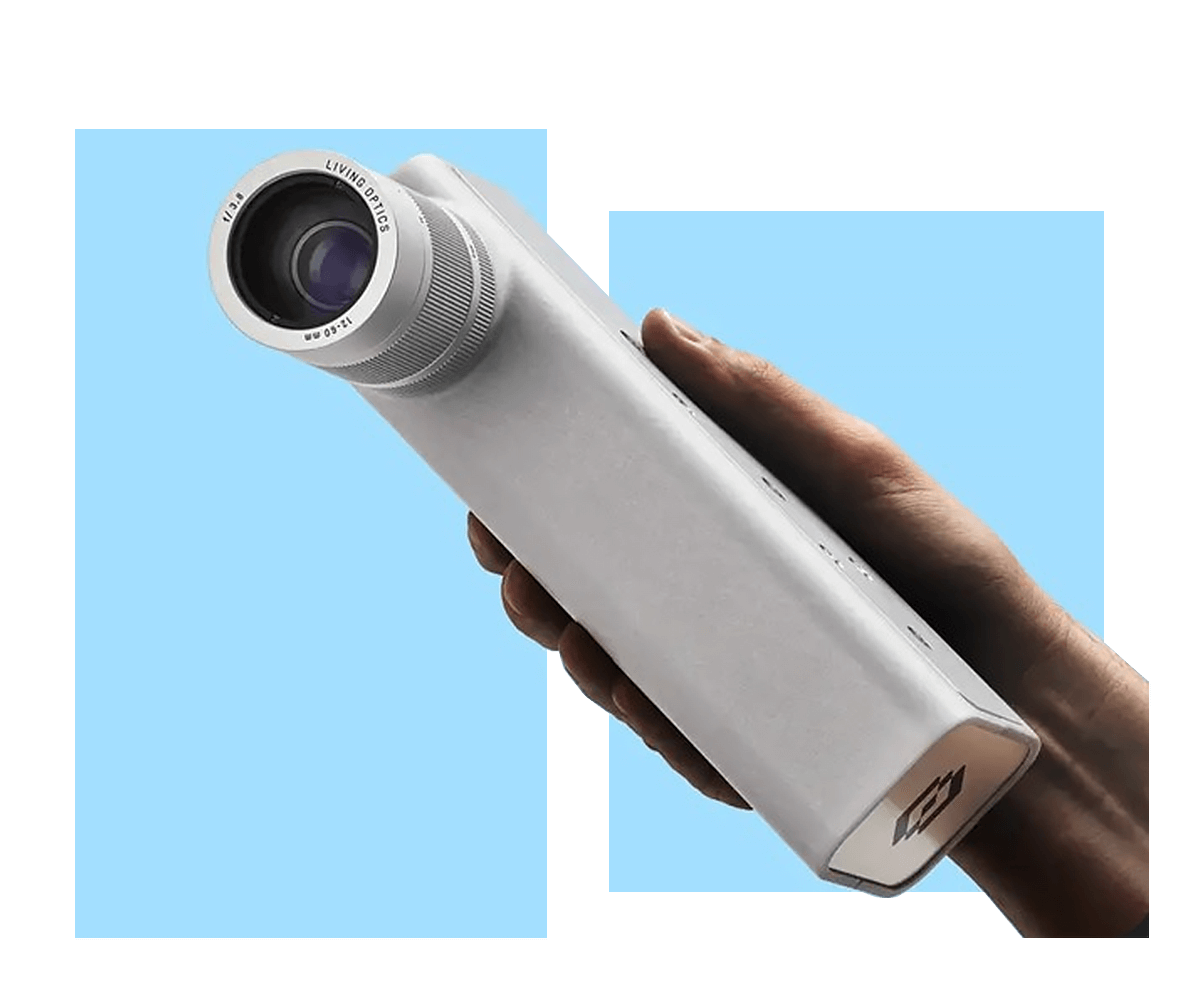
Capture the demo in action, genuine reactions from attendees, and any speaking sessions or panel appearances. This is often the richest window for content around a product launch: Living Optics built a 36-square-meter booth with three dedicated demo areas around its launch at SPIE Photonics West, specifically so the demo itself would generate usable footage, alongside the media outreach and speaking opportunities planned months ahead.
Customer and partner conversations
If existing customers or partners stop by the booth, ask if you can record a short conversation with them on the spot. A two-minute unscripted testimonial captured at a show is usually more credible than a polished case study video shot in a studio.
Competitive intelligence
Note what competitors are saying at their own booths, what messaging they’re leading with, and how attendees are reacting to it. This material rarely gets published directly, but it shapes sharper messaging in everything that follows.
The First 90 Days Content Plan
Once the raw material is captured, it needs a sequence, not a single dump of recap posts. That 90-day window does not have to start once the show ends, either: pre-show social teasers, announcement posts, and early outreach in the weeks leading up to the event are part of the same content plan.
Days 1–21: Teasing campaigns and invites
The clock starts before the booth is even built. In the three weeks leading up to the show, tease that your company will be attending, what you’ll be presenting, and any on-site activations, and use that window to invite prospects to book a meeting on the floor. This content doesn’t need to be polished: a short animated video announcing your presence, a quick clip from the booth build, or a live video from setup day all work well. Living Optics posted teaser content of the product it would unveil ahead of SPIE Photonics West, and RodRadar shared live video from its booth setup, both building anticipation before a single attendee walked the floor.
Days 22–25: Immediate recap and momentum
Publish recap content during the show and in the days right after: a LinkedIn post, a short blog recap, key photos. Most teams already do this, but treat it as the next beat in the plan, not the opening move. This is where social media can boost your trade show presence the most, while the event is still top of mind for your audience. It’s also the window to personally follow up with every qualified lead while the conversation is still fresh.
Days 26–45: Thought leadership and deeper content
This is where the booth staff notes and competitive intelligence become genuinely useful. Turn the most common questions into a blog post or a short video series answering them directly. If your team spoke on a panel, repurpose that talk into an article, a LinkedIn carousel, or a webinar built on the same material. A full B2B event marketing engagement, like the one built around Weldobot’s presence at the SCHWEISSEN & SCHNEIDEN tradeshow in Germany, treats strategy, booth design, on-site execution, and post-show follow-up as one continuous plan, which is exactly what keeps content flowing well past the show dates.
Days 46–90: Long-tail SEO and sales enablement
By this point, the show-specific urgency has faded, but the material is still valuable. Turn the strongest customer conversation into a full case study. Build a comparison piece using the competitive intelligence gathered on the floor. Package the booth talking points into a one-pager or battlecard the sales team can use in every future deal, not just the leads from that specific show.
Mapping One Asset to Several Channels
The fastest way to get 90 days of content out of one show is to stop thinking about individual posts and start thinking about how far a single strong asset can travel. A recorded demo, a customer conversation, or a talk given on a show stage can each become the source for five or six different pieces of content, each shaped for how a different channel gets used.
This reshaping matters even more when a company is speaking to more than one audience type. RodRadar, for example, needed its core excavation-safety message to land with investors, construction professionals, and regulators at the same event, so the same booth materials and core story had to be adapted into different formats and angles for each audience, not a single generic version.
| Source Asset | Blog / SEO / GEO | Sales Enablement | ||
|---|---|---|---|---|
| Recorded product demo | Feature walkthrough article | Short clip with a specific use case highlighted | Embedded in a follow-up sequence to booth leads | Demo library for reps to send on request |
| Panel talk or stage session | Full recap article with key quotes | Carousel of the top 3–5 takeaways | Recap sent to the broader mailing list | Talking points for reps fielding similar objections |
| Customer conversation at the booth | Short case study or quote-led post | Native video testimonial | Proof point in nurture emails to similar prospects | Reference story for reps in that customer’s industry |
| Booth staff notes on repeated questions | FAQ-style blog post | Poll or discussion post asking the same question | Subject line testing based on real prospect language | Objection-handling one-pager |
What to Measure for Tradeshow Content
Trade show content should be measured on two different timelines, because the two things it drives (engagement and pipeline) move at different speeds.
In the first 30 days, track engagement signals: website traffic from the campaign, social engagement on recap and follow-up content, and inbound replies to post-show outreach. This tells you whether the content is landing with the right audience.
In the 60 to 90 day window, track pipeline signals: how many trade show leads have moved into an active sales conversation, how many opportunities were created, and how much of that maps back to the content published after the show. This is usually when the slower-building results show up. Living Optics saw a 30% website traffic surge and 25% LinkedIn follower growth tied to its launch campaign, alongside four editorial placements in major publications, results that built over the weeks following the show, not the show itself.
Don’t judge the program on the first week alone. A trade show content plan that looks quiet seven days after the event can still be building the pipeline it was designed to generate. This same 60 to 90 day window should also inform tradeshow budget allocation for next year, and it works best as part of a broader habit of building a data-driven content strategy, so trade show content gets measured the same way as the rest of the content calendar.
FAQs
How much content can one trade show realistically produce?
With good capture on the floor, a single show can supply 10 to 15 pieces of content across blog, social, email, and sales enablement over a 90-day period: a recap post, a handful of social clips, one or two long-form articles, a case study, and internal sales materials. The volume depends less on the size of the show and more on how deliberately the team captures material while they’re there.
What should you capture at a trade show for content?
Beyond standard booth photography, prioritize booth staff notes on repeated questions and objections, video of the product in action, short unscripted conversations with customers or partners who stop by, and observations on competitor messaging. These raw materials are what fuel the deeper content in weeks two through twelve, not just the first recap post.
How soon after a trade show should you start publishing?
Recap content should go out within the first week while the event is still top of mind, but the deeper content plan should be sequenced over the following 90 days, not rushed out all at once. Publishing too much too quickly wastes material that would perform better spaced out as ongoing thought leadership.
How do you measure trade show content performance?
Track engagement metrics like website traffic and social performance in the first 30 days, then shift to pipeline metrics, like opportunities created and revenue influenced, in the 60 to 90 day window. Trade show ROI tends to build gradually, so measuring only in the days right after the event usually understates the actual impact.