Month: December 2025













































Best B2B Global Marketing Agencies for SaaS Startups (2026 Guide)

Today, as CMO-as-a-Service at SAGE Marketing, Shlomit partners with technology companies to build powerful brands, accelerate demand generation, and connect innovation with results. Her approach is creative, data-driven, and always focused on what truly matters — turning strategy into measurable success.

15 min read
Share
Link copied to clipboard
The SaaS Boom – And the Harsh Reality Behind the Numbers
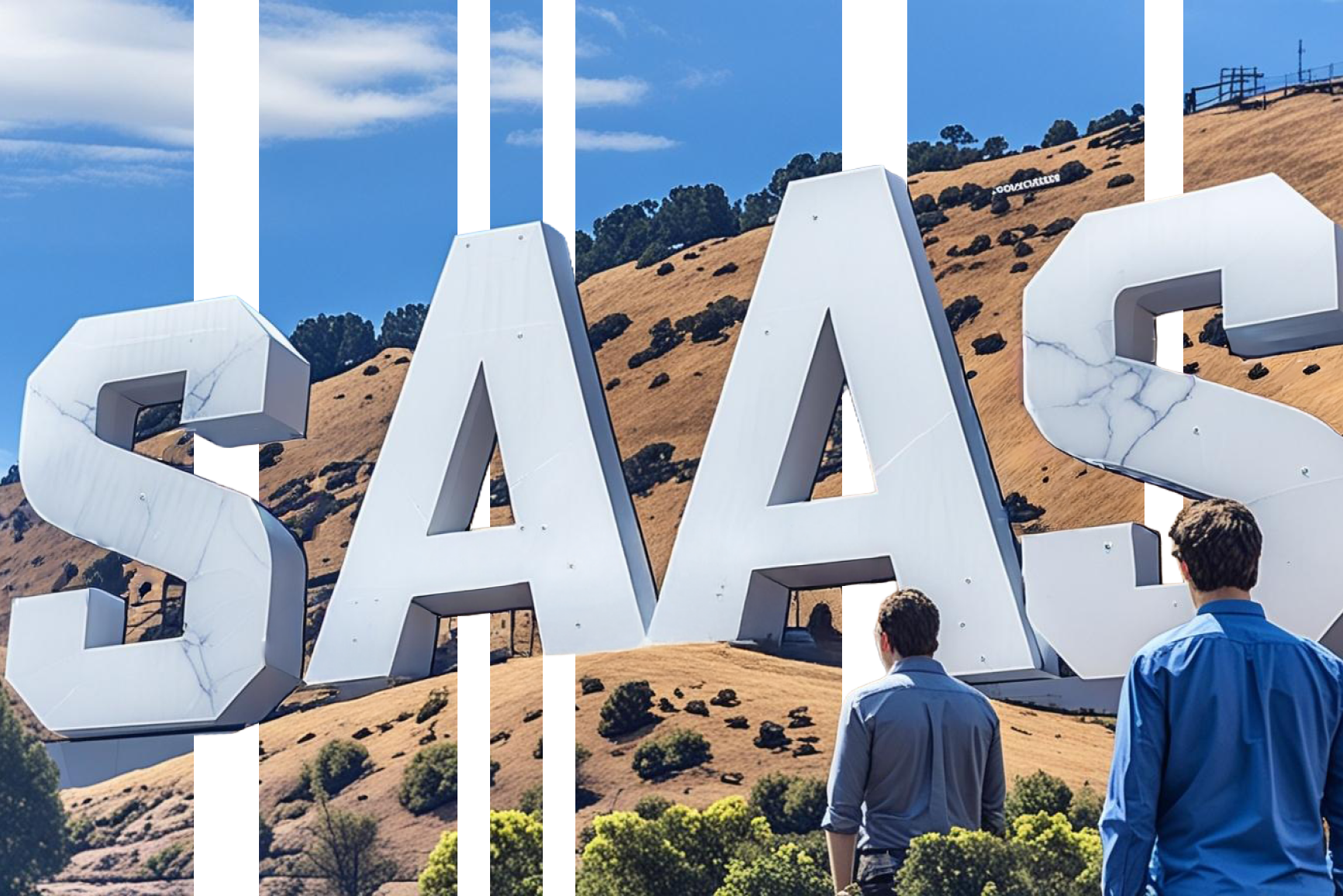
The SaaS (Software as a Service) sector continues to be one of the most dynamic segments in the global tech economy. Today, there are tens of thousands of SaaS companies worldwide, with estimates showing over 30,000 SaaS businesses operating globally as of 2025 and strong growth continuing year after year.
Driven by the shift to cloud‑based tools, digital transformation, remote work, and now AI‑powered solutions, SaaS adoption across industries has surged, with enterprises using dozens of SaaS applications on average. The global SaaS market is projected to expand significantly in the coming decade, reflecting sustained investment and demand.
Yet for every success story, the data paints a sobering picture for early‑stage founders. Despite the overall growth in demand, SaaS startups still face a very high failure rate. Studies suggest that up to 90–92% of SaaS startups don’t survive beyond the early years, often due to a combination of market challenges, execution missteps, and intense competition.
Why does this happen? Common pitfalls include:
- Lack of product‑market fit – building solutions that don’t truly solve a validated customer problem.
- Insufficient go‑to‑market strategy and ineffective customer acquisition.
- Running out of cash due to high churn and customer acquisition costs.
- Scaling without a clear playbook for positioning, messaging, and predictable growth.
In this landscape, smart marketing isn’t just a “nice‑to‑have”, it’s a critical growth lever. SaaS startups need partners who understand not only the mechanics of B2B demand generation and brand building, but also the unique path from product launch to scalable revenue.
That’s where the right marketing agency can make the difference, helping SaaS founders avoid common traps, hone their positioning, and build predictable pipelines from day one.
Below is our curated list of top B2B marketing agencies tailored for SaaS companies in the UK, Israel, and the USA – each bringing a unique strength to accelerate growth.
1. SAGE Marketing (UK & Israel)
Best for: Full‑stack B2B SaaS marketing and revenue acceleration
SAGE Marketing, is a global B2B marketing agency with offices in the UK and Israel known for end‑to‑end SaaS marketing strategy and execution. SAGE helps SaaS companies unlock growth through integrated GTM strategy, demand generation, product positioning, content & storytelling, performance campaigns, and revenue alignment. SAGE is a HubSpot Diamond Partner offering full onboarding, integration, and implementation services for SaaS startups and scale ups.
Why #1:
- Deep experience with SaaS founders and startup teams
- Strategic positioning and go‑to‑market support
- Full‑funnel execution from awareness to revenue
- Proven results with clients such as BriaAI, ThinkUp, Gaviti, Kipp, Octopai and more
- Seamless collaboration that feels like an extension of your internal team
Whether you’re launching into new markets, refining your ICP, or building ARR growth engines, SAGE focuses on measurable impact rather than vanity metrics – the kind of performance SaaS investors and boards care about.
2. Velocity Partners (UK)
Best for: B2B messaging, positioning & content leadership
Velocity Partners is a UK‑based agency specializing in helping SaaS companies articulate complex solutions with clarity – turning product strategy into compelling thought leadership, content, and brand narratives that resonate with buyers.
Strengths:
- Strategic brand messaging and storytelling
- Long‑form content and authority building
3. BrainDonors
Best for: Full-service B2B SaaS marketing under one roof – demand gen, content, HubSpot/RevOps, and AEO/GEO from a single team.
A b2b saas marketing agency with offices in Sofia and Amsterdam, BrainDonors combines paid
media, SEO, AEO/GEO, and HubSpot implementation into integrated demand gen systems –
with proven work for SaaS clients like Hypergen, DualityTech, and Imagen AI.
4. Gripped (UK)
Best for: Inbound growth & revenue attribution
Gripped focuses on inbound marketing and pipeline visibility – ideal for SaaS teams that want structure around conversion paths, attribution, and lead lifecycle optimization.
5. InterTeam Marketing (Canada)
Best for: High-intent paid acquisition and pipeline-focused growth for B2B SaaS
InterTeam Marketing is a B2B marketing agency that helps SaaS and service companies generate qualified pipeline through paid acquisition. The team works across platforms like Google, LinkedIn, and Reddit, combining high-intent targeting with coordinated cross-channel strategies to reach decision-makers at the right stage of the buying journey.
Their approach focuses on connecting campaign performance to revenue outcomes through conversion tracking, CRM integration, and continuous optimization. By aligning paid media with the broader funnel, InterTeam helps companies improve lead quality and build more predictable, scalable growth.
6. Kalungi (USA)
Best for: Fractional CMO + strategic GTM for SaaS
Kalungi offers fractional leadership and full marketing execution tailored to SaaS startups, helping companies define ICPs, messaging, funnels, and operational processes aligned with growth milestones.
7. UnboundIA – Brand-to-Revenue Partner for Full-Funnel Growth
Best for: AI-powered demand generation, ABM & full-funnel revenue growth
UnboundIA is a growth-focused B2B marketing partner built for SaaS and technology companies that want more than surface-level awareness. It helps brands connect positioning, demand generation, and pipeline acceleration into one scalable growth engine. With a blend of AI-powered audience intelligence, data-led execution, and human strategy, UnboundIA supports companies looking to reach high-value buyers and turn marketing into measurable revenue outcomes.
Strengths:
- Full-funnel growth strategy for SaaS brands
- AI-driven targeting and demand generation
- Account-based marketing and pipeline acceleration
- Content strategy aligned to buyer journeys
- Paid media and performance optimization
8. Column Five (USA)
Best for: SaaS brand strategy & visual storytelling
Known for combining creative excellence with strategy, Column Five helps SaaS companies craft engaging brand narratives and high‑impact content that differentiates in crowded markets.
9. Skale (UK)
Best for: SEO & authority building
Skale specializes in scalable SEO and digital PR strategies designed to boost organic traffic and search visibility – a core growth lever for SaaS companies focusing on long‑term inbound performance.
10. SmartBug Media (USA)
Best for: Inbound + HubSpot ecosystem
SmartBug brings deep expertise in inbound strategy, CRM integration, and content‑led marketing, especially valuable for SaaS brands leveraging HubSpot and automation for growth.
11. Tuff Growth (USA / Remote)
Best for: Fast, experiment‑driven channel growth
Tuff is a hands‑on growth partner that builds/testing channel strategies across paid, content, SEO, and CRO – perfect for early‑stage SaaS teams that need budget‑efficient experimentation and clear performance tracking.
12. Bay Leaf Digital (USA)
Best for: Data‑driven SEM & SEO growth
Bay Leaf Digital combines paid search, SEO, analytics, and data strategy to accelerate pipeline generation for SaaS companies, especially in competitive verticals.
13. Ironpaper (USA)
Best for: ABM + pipeline acceleration
Ironpaper focuses on growth marketing that tightly aligns marketing with sales outcomes, blending ABM, demand generation, content, and funnel optimization for measurable ROI.
How SaaS Startups Should Choose a B2B Marketing Agency
For SaaS startups, selecting the right marketing partner can make or break your growth trajectory. With limited budgets, high competition, and the need for fast results, it’s essential to pick an agency that aligns with your business goals. Here are the key criteria startup founders should look for:
- Proven SaaS experience: Agencies should have case studies showing success with other B2B SaaS companies, ideally in your stage and vertical.
- Data-driven growth: Look for a partner that bases decisions on analytics, measurable KPIs, and ROI, rather than vanity metrics.
- Full-funnel capabilities: From SEO, PPC, branding, and content marketing to ABM, and lead nurturing, the agency should cover the entire growth funnel aligned with your HubSpot CRM.
- Technical industry expertise: Especially important if you’re in AI, FinTech, DevOps, HealthTech, or other complex B2B sectors.
- Scalable strategies: Your agency should not just execute campaigns, but design strategies that grow with your startup.
- Transparency and communication: Clear reporting, open collaboration, and realistic timelines help startups make informed decisions.
- Cultural alignment: Choose an agency whose work style, values, and approach mesh well with your internal team — this ensures smoother collaboration and faster execution.
- Long-term partnership mentality: The right agency becomes an extension of your team, invested in your growth over the long term, not just in one-off campaigns.
Great SaaS marketing isn’t one‑size‑fits‑all – it’s a tailored engine built around your product, ICP, and revenue goals.

Redefining What is Means to be a SAP Partner – The iprosis X SAGE Success Story
Link copied to clipboard

In this video, Amit Barkai, CEO of iprosis, shares how the collaboration with SAGE Marketing helped the company strengthen its positioning as a market leader in Data, Analytics, and Innovation built on SAP technologies.
The company was looking for a marketing agency that understands the professional language, knows how to manage relationships with technology partners, and is capable of leading a marketing strategy that positions the company as a strategic business partner – not just a technology vendor.
Amit explains how SAGE Marketing quickly became an integral part of the iprosis team, leading initiatives such as building a professional community, producing webinars, and successfully supporting talent recruitment – all of which reinforced the company’s standing as a market leader in SAP Data & Analytics in Israel.
Hate missing out?
Why Choose an International B2B Marketing Agency for Your Startup
Today, as CMO-as-a-Service at SAGE Marketing, Shlomit partners with technology companies to build powerful brands, accelerate demand generation, and connect innovation with results. Her approach is creative, data-driven, and always focused on what truly matters — turning strategy into measurable success.
15 min read
Share
Link copied to clipboard

Key Takeaways
- International B2B marketing agencies bring a depth of experience that no single in-house marketer can offer, drawing from hundreds of startups and global go-to-market journeys.
- Early global positioning increases credibility, accelerates traction, and prepares startups to meet investor expectations.
- A B2B tech marketing agency provides both strategic direction and hands-on implementation – a combination essential for early growth.
- Sales enablement plays a central role in shaping how startups communicate value and win deals.
- Agencies help founders define and measure KPIs that align directly with a global GTM strategy, ensuring every activity supports growth and revenue.
Introduction
If you’re a founder building a B2B tech startup, you likely spend most of your time thinking about the product – and that’s natural. You’ve been solving a technical problem, developing innovative technology, writing code, running trials, gathering feedback from early adopters, and building your MVP. You’ve recruited the first team members, shaped the foundations of your solution, and finally reached the milestone every startup aims for: raising your seed round.
This is where everything changes.
Once funding arrives, so do the expectations. Investors want more than product development; they want to see traction, lead flow, market validation, early signs of repeatability, and real progress toward building a scalable business. They expect you to demonstrate that your solution works not only in theory or in a controlled pilot, but in the real world – and across global markets.
To meet those expectations, you need more than a great product. You need a clear, compelling, global go-to-market (GTM) strategy, consistent messaging, strong sales enablement tools, and the ability to execute quickly and professionally. But most founders, especially technical ones, don’t know exactly what they need from marketing, what questions to ask, or where to begin. And that’s precisely where an international B2B marketing agency becomes invaluable.
What Makes an International B2B Marketing Agency Different
One of the most important distinctions between a local agency or single hire and an international B2B marketing agency is the sheer volume of experience. A single marketer, even a senior one, typically works for three to five companies over the course of their career. Their knowledge is limited to the environments they’ve been part of.
An agency, especially one that works globally, has partnered with hundreds of startups across different stages, industries, geographies, and buyer types. This accumulated experience allows agencies to detect patterns, anticipate challenges, understand what works, and identify pitfalls long before a startup encounters them. Agencies develop a level of market intuition that only comes from seeing multiple versions of similar go-to-market journeys. It’s insight no single employee, regardless of talent, could ever accumulate.
Beyond this, an international B2B marketing agency brings an entire full-stack skillset under one roof. Startups often assume they can hire one marketing “generalist” or “head of marketing” to lead the entire function. But marketing in B2B tech is inherently multidisciplinary. It requires strategic thinking, market analysis, messaging, sales enablement, website UX, operations, analytics, and hands-on content development. No single person excels at all of these areas. A global agency gives you specialists in each field, working together as one cohesive unit, ensuring speed, accuracy, and consistency.
Perhaps most importantly, international agencies understand global buyers. They’ve seen how U.S. decision-makers evaluate vendors, how European buyers navigate compliance and security concerns, how UK and DACH markets interpret value propositions, and how APAC prioritizes relationship-based engagement. They know which messages resonate, which objections arise in each region, and how to adapt your core story without diluting it. Startups that aim to scale globally must reflect this understanding immediately. It’s not something you can afford to “figure out later,” because buyers form their first impression the moment they interact with your brand.
Why Startups Need Global Positioning From Day One
Founders sometimes assume global branding and positioning can wait until after product-market fit or after they begin generating revenue. But in reality, global readiness is something investors and enterprise buyers look for early, often before a product is even fully mature. The way you present your company communicates your maturity, professionalism, and long-term potential.
Global positioning gives your startup credibility. A well-defined narrative, supported by clear messaging and a cohesive visual identity, tells the world you are serious and prepared to scale. Without it, even the strongest technology may be dismissed as “too early,” “too risky,” or “not enterprise-ready.”
Strong positioning also unlocks opportunities long before revenue arrives. It opens doors to channel partnerships, analyst briefings, early PR exposure, and speaking opportunities at international conferences. Buyers respond differently when they perceive a company as global rather than local. With global positioning, your startup appears competitive on a worldwide stage, a critical advantage in markets like cybersecurity, AI, robotics, SaaS, and fintech.
Another essential element of global strategy is deciding how you enter each market. In some regions, direct sales are the right approach. In others, channel partners, distributors, and local integrators are far more effective because they bring cultural understanding, local relationships, and immediate credibility. Many founders underestimate how different the buying experience is across markets. An international B2B marketing agency helps you evaluate these go-to-market models, conduct market research, analyze competitive environments, and even perform outreach to identify potential distributors or partners. Having the right local ally can dramatically reduce friction and accelerate your traction.
Global agencies also support startups through international trade shows and industry events which remain one of the most important growth engines in B2B. But attending an event is not enough. A strong agency helps you select the right events, map opportunities, build your narrative, prepare your materials, and pre-schedule meetings with prospects, partners, analysts, and investors. They ensure that your presence is strategic, your message is consistent, and your time converts into real business opportunities.
We live in a global, digital world where buyers can discover and evaluate solutions from anywhere. In this environment, experience becomes one of your greatest competitive advantages. A seasoned B2B tech marketing agency brings decades of accumulated knowledge, global insights, and best practices that help startups gain traction faster and avoid costly mistakes. This is what allows tech companies to scale globally, not only with confidence, but with precision.
A global mindset also forces clarity. You must articulate who your solution is for, what problem it solves, why it matters, and how it is different from competitors, many of whom already operate at an international level. A B2B tech marketing agency helps shape this clarity while your product is still evolving, giving you the foundation needed to build scalable marketing and sales operations.
For a deeper breakdown of why this matters so early, you can also explore this article.
Services You Can Expect From a B2B Tech Marketing Agency
While traditional marketing agencies focus on creative or campaign-driven activities, a modern B2B tech marketing agency focuses on what truly drives business results: clarity, credibility, and alignment with the sales process. Unlike agencies that prioritize viral content or short-term trends, B2B agencies focus on building strategic assets that support founders, revenue leaders, and the entire go-to-market operation.
One of the most valuable contributions an international agency provides is strategic positioning and messaging. Startups often struggle to explain their technology in a clear, compelling, and accessible way. Founders are deeply connected to their product, but buyers, especially enterprise buyers, need the story simplified, structured, and positioned within a recognizable context. Agencies help shape that story, define your category, articulate differentiation, and communicate the value of your technology to global audiences.
Another critical area is sales enablement. This includes everything your revenue team needs to tell a consistent, persuasive story: sales decks, one-pagers, solution briefs, outbound messaging frameworks, persona definitions, ICP alignment, and website messaging that converts visitors into qualified conversations. Many founders underestimate the importance of these materials until they begin pitching large companies, and realize their deck doesn’t reflect their value, their messaging is unclear, or their sales team is improvising.
Sales enablement is where marketing directly impacts the bottom line. A strong B2B agency ensures that every conversation your sales team has is supported by precise language, strong positioning, and the right materials to guide international buyers toward a yes.
Perhaps the most underestimated advantage of a global agency is its ability to combine strategic thinking with hands-on execution. Startups often fall into one of two traps: hiring someone too senior who focuses only on strategy and doesn’t implement, or hiring someone too junior who executes tasks but cannot design a coherent strategy. An international agency bridges this gap by offering both. You receive strategic clarity and ongoing operational support, the combination required to move quickly and effectively.
Another area where agencies excel is in defining KPIs that align with your global go-to-market goals. Many early-stage teams track surface-level metrics such as pageviews, clicks, or impressions. But investors and revenue leaders expect KPIs tied to pipeline velocity, sales readiness, regional traction, website conversion, message resonance, and opportunity creation. Experienced agencies help you set meaningful KPIs and build processes to measure and optimize them.
Why an International B2B Marketing Agency Drives Better Results
An international B2B marketing agency provides not only more experience, but a broader perspective. By working across dozens of markets and countless product categories, agencies have seen nearly every version of a go-to-market challenge you might face. They know what works in the U.S. but not in Europe, what resonates in regulated industries versus emerging sectors, and what messaging patterns consistently convert enterprise buyers.
This accumulated knowledge reduces risk. Instead of learning through trial and error, something early-stage startups can’t afford, you benefit from best practices refined through years of global work. Agencies help you avoid mistakes such as unclear messaging, ineffective sales decks, weak positioning, or scattered GTM strategies.
An agency also executes quickly. Because it has a team of specialists, work doesn’t stall when one person is unavailable or overloaded. Strategy, design, writing, research, and implementation can happen simultaneously rather than sequentially. This speed is essential for startups that need to show progress, meet investor expectations, and compete in fast-moving markets.
Finally, agencies are scalable. As your company grows, your needs evolve. You may need more materials, deeper sales support, updated messaging, or multi-region go-to-market expansion. An agency adjusts its resources and skillsets as your company advances, something a single internal hire cannot offer.
When Is the Right Time for a Startup to Hire the Best B2B Marketing Agency?
The right time is usually earlier than founders expect. During the pre-seed and seed stages, startups need foundational messaging, strong sales materials, and clear positioning to raise capital and engage early customers. Once you reach Series A, your focus shifts to building predictable revenue motions, refining your ICP, upgrading your sales enablement toolkit, and preparing your marketing operations for scale.
By Series B, global expansion becomes the priority, and this is where the expertise of an international agency becomes invaluable. You need multi-region messaging, cohesive GTM alignment, and the operational capability to support increasing volume and complexity.
Partnering with an agency early ensures that your foundation is strong, your story is cohesive, and your sales team is enabled, long before growth bottlenecks appear.
Next Steps: Grow Globally With SAGE
SAGE is an international B2B tech marketing agency that has partnered with hundreds of startups across AI, cybersecurity, SaaS, deep tech, fintech, robotics, and industrial innovation. We combine strategic clarity, hands-on execution, global GTM alignment, and advanced sales enablement to help startups accelerate their growth and enter new markets with confidence.
If you’re ready to strengthen your positioning and build a GTM foundation that supports real traction:
Contact us.
Explore more insights on our blogs.
FAQs
Does an international B2B agency cost more than a local one?
Not always. Global agencies often replace the need for several internal hires, making them cost-effective. The value comes from senior expertise and the ability to execute faster and more accurately than a smaller internal team.
How do global agencies adapt messaging for different markets?
They analyze regional buyer behaviors, cultural expectations, competitive conditions, and regulatory environments. A unified core message is then adapted to resonate within each target region.
Can small startups afford B2B marketing agencies?
Yes. Many startups find that partnering with an agency is more affordable than building a full internal marketing function. Agencies bring specialization, flexibility, and proven global frameworks.
How long does it take to see ROI when hiring an agency?
Foundational improvements appear quickly through better messaging, sales materials, and website clarity. Pipeline-related ROI typically strengthens within 60–120 days as GTM alignment takes effect.
What do agencies need from startups to deliver great results?
The most important inputs are clear goals, access to founders and technical leaders, transparency about challenges, and open communication. With the right context, an agency can deliver remarkable outcomes.
The 13 Best AI Tools Every Marketer Should Use

15 min read
Share
Link copied to clipboard

AI is no longer a trend – it is the infrastructure of modern marketing.
From research and creative production to campaign planning, GEO targeting, and design operations, AI is transforming how marketing teams think, create, and scale.
But with so many tools available, marketers don’t need more AI they need the right AI.
Here is a curated list of the most impactful AI tools today that we at SAGE Marketing use daily. The ones that actually make marketers smarter, faster, more creative, and more strategic.
This is not a hype list.
This is our routine.
1. ChatGPT (GPT-4, GPT-5 & Custom GPTs)
The marketer’s brain-extension.
ChatGPT is the single most important AI tool for marketers – not because it can generate copy, but because it enhances thinking, strategy, and decision-making.
Marketers use ChatGPT for:
- customer journey mapping
- website + messaging audits
- content creation (emails, blogs, ads, scripts)
- creative brainstorming & campaign ideation
- persona development
- product positioning
- competitive insights
- funnel building
- SOWs, briefs, and deck outlines
But the true revolution lies in Custom GPTs.
With Custom GPTs, you can build specialized assistants such as:
- Brand Messaging GPT trained on your brand voice
- SEO GPT trained on your past performance
- Sales Enablement GPT trained on your decks
- Creative Concept GPT inspired by top marketers
- Strategy GPT trained on customer + competitor data
This transforms ChatGPT into a marketing operating system, customized for your business.
Why it matters
ChatGPT gives marketers a strategic co-pilot that accelerates thinking and removes operational friction, allowing teams to focus on creativity and analysis.
2. NotebookLM – The AI Insight Engine
NotebookLM is one of the most powerful tools for marketers who work with large volumes of information.
Upload PDFs, research, pitch decks, brand books, interviews, competitor docs –
and NotebookLM will:
- extract themes
- identify patterns
- compare documents
- surface insights
- generate summaries
- synthesize conclusions
- organize complex thinking
Why it matters for marketers
NotebookLM turns raw information into actionable clarity.
Instead of reading 20 documents, marketers can make decisions in minutes.
Perfect for:
- GTM planning
- product marketing
- competitive analysis
- brand research
- internal knowledge management
- onboarding new team members
It is the tool you use when you need to think deeply, fast.
3. Miro AI – Visual Strategy & Creative Clarity
Miro’s new AI capabilities transform the way marketers ideate and communicate strategy.
You can instantly generate:
- customer journey flows
- campaign diagrams
- content pipelines
- brand architecture maps
- brainstorming clusters
- UX outlines
- visual presentations of strategic thinking
Instead of manually designing slides with arrows and boxes, Miro AI creates them for you in seconds.
Why marketers love it
Marketing is full of complexity.
Miro AI turns complexity into visual simplicity, helping teams align faster, make better decisions, and communicate ideas clearly.
4. Napkin.ai – The Creative Thinking Sandbox
Napkin.ai is a lightweight, brilliant tool for early-stage ideation.
It helps marketers:
- map campaign ideas
- explore narrative structures
- connect concepts
- visualize storytelling
- break down abstract thinking
- organize creative directions
Why it matters
Before the brief, before the deck, before the copy –
there is thinking.
Napkin gives marketers a playground for raw creativity, where ideas can grow before they’re forced into structure.
5. The White Box – Take Control of Your Brand’s Presence in Gen-AI Search
As Gen-AI search engines (ChatGPT, Perplexity, Gemini, Claude) increasingly replace traditional Google searches, brands face a new challenge:
Your brand is being summarized, interpreted, and represented by AI models – whether you control it or not.
Whitebox (thewhitebox.io) is one of the first platforms designed specifically for this new era.
It helps marketing teams understand, manage, and actively shape their brand’s visibility and reputation across AI search engines.
What Whitebox lets marketers do:
See how Gen-AI platforms describe your brand
Whitebox scans leading AI models and shows:
- how they answer questions about your company
- what information they surface
- how your brand is positioned
- what data or messages are missing
- how competitors appear in comparison
This is critical, because these AI-generated summaries influence millions of business decisions – from investors to customers to the press.
Identify misinformation, outdated content, and competitive gaps
If an AI model is:
- describing your product incorrectly
- using old information
- missing key differentiators
- favoring a competitor
Whitebox reveals it.
Improve and optimize your brand for AI search
Think of it as SEO for the next generation.
Instead of optimizing for Google, Whitebox helps you optimize for:
- ChatGPT
- Perplexity
- Gemini
- Claude
- LLM-powered search engines & assistants
This gives companies a pioneering advantage in a world where AI is the new homepage of your brand.
Why Whitebox matters for marketers
Because in 2026 People won’t search for brands.
AI will tell them what brand to choose.
Whitebox ensures your brand is:
- represented accurately
- differentiated clearly
- visible where decisions are being made
- competitive against rivals in AI-generated responses
This is one of the most important emerging marketing categories
AI Search Optimization (AISO) and Whitebox is leading it.
6. Weavy – The Rise of Artistic Intelligence
Weavy is redefining AI-driven creativity with a fundamentally different approach.
Instead of promising “push-button design,” Weavy gives marketers and designers a node-based creative platform where they can build:
- scalable creative workflows
- visual pipelines combining multiple AI models
- automated asset variations
- consistent design systems
- video + image production flows
- modular, repeatable creative processes
Weavy’s philosophy is powerful:
Creativity is a craft.
AI should support it, not replace it.
Weavy calls this Artistic Intelligence – the fusion of human creativity and scalable AI workflows.
Why it matters for marketers
Brands today need volume and quality at the same time.
Weavy lets teams scale content production without losing creative excellence.
It transforms creative operations from:
- manual output → to design machines
- one asset at a time → to systems that scale
7. D-ID – Rapid AI Video Creation
D-ID is one of the fastest-growing AI video creation tools, allowing marketers to turn:
- text → talking videos
- images → presenters
- scripts → localized video explainers
It supports multiple languages, voices, and visual styles.
Ideal for:
- personalized sales videos
- onboarding flows
- internal training
- product explainers
- multi-language campaigns
- thought-leadership content
D-ID reduces video production costs dramatically, making video accessible to every team.
8. MarkeTeam – Behaviour-Driven AI Avatars That Transform Marketing Strategy and execution
MarkeTeam is one of the most innovative AI platforms built specifically for marketing teams. At the core of its power is something truly unique:
AI Avatars – intelligent, behaviour-backed customer models that think, react, and decide like real buyers.
These AI avatars are not personas in a PDF.
They are living, evolving models that can:
- read content
- react emotionally
- evaluate messaging
- compare competitors
- express motivations
- flag objections
- choose between alternatives
- simulate real customer decisions
This gives marketers something they have never had before: direct, scalable, behavioural insight without running 50 interviews.
What Makes MarkeTeam’s AI Avatars Exceptional?
They don’t just describe your ICP – they behave like your ICP.
Traditional personas tell you:
- Job title
- Pain points
- Needs
MarkeTeam’s avatars show you:
- how they interpret your landing page
- which competitor they prefer and why
- what objections stop them from buying
- where your messaging fails
- what emotional triggers work
- how they choose between 2 offers
It’s the difference between knowing about a customer and talking to one.
Examples:
- The data-driven analyst
- The impatient founder
- The price-sensitive buyer
- The innovation-seeker
- The risk-averse executive
- The overwhelmed marketer
Each avatar gives REAL behavioural feedback, at scale.
This replaces days of research with minutes of insight.
They outperform traditional competitive research
Most competitor analysis is:
- manual
- slow
- incomplete
- based on assumptions
MarkeTeam’s avatars can:
- compare your brand vs. competitors
- identify which competitor resonates with which buyer
- evaluate differentiators
- flag positioning weaknesses
- show you which messages win where
This is something no traditional tool can do.
It acts like a panel of mini-focus groups for every segment – always available, always learning.
They reduce guesswork and elevate strategy
Marketers use MarkeTeam avatars to:
- refine messaging
- build ICP-specific funnels
- create behaviour-based segmentation
- test emotional resonance
- validate narratives
- improve conversion flows
- build smarter content strategies
Instead of guessing what people want,
you co-create with avatars who think like them.
Why MarkeTeam Matters
Because marketing is shifting from:
Demographics → Behaviours
Channels → Intent
Messaging → Emotion
Personas → AI-powered buyer models
And MarkeTeam sits at the heart of this transformation.
It gives marketers the ability to:
- understand customers deeply
- test ideas instantly
- outperform competitors
- optimise campaigns in real time
- scale research effortlessly
All while reducing time, cost, and risk.
9. Bria.ai – Ethical Image Generation for Brands
Bria.ai specializes in brand-safe image generation, ensuring visual content is:
- consistent
- rights-cleared
- style-guided
- ethically trained
- scalable
Bria is built for marketers needing large volumes of visual assets that still feel human, polished, and aligned with brand identity.
Ideal for:
- performance marketing
- social content
- e-commerce
- product marketing
- localization at scale
Bria helps brands generate hundreds of variations while preserving creative integrity.
10. Similarweb – AI-Powered Website & Competitor Intelligence
Similarweb is the only tool you need for website and competitor analysis.
Marketers use it to uncover:
- competitor traffic sources
- audience demographics
- engagement behavior
- keyword and SEO intelligence
- referral patterns
- top landing pages
- funnel performance insights
- market share movements
With the new AI layers, Similarweb can also generate:
- messaging summaries
- competitive landscapes
- market opportunity reports
- trend forecasts
Why it matters
You can understand your competitor’s digital strategy without guessing – and build campaigns grounded in real-world data.
11. Commsite – The Future of Websites: From Passive to Conversational
For more than 25 years, websites have been static, passive, and one-directional.
A user lands on a page → reads → clicks → maybe contacts → maybe buys.
But in 2026 the web is shifting dramatically.
People no longer want to browse websites – they want to interact with them (like they do when they use GPT)
Commsite by CommBox is at the forefront of this transformation, turning traditional websites into AI-powered conversational experiences.
Instead of scrolling endlessly, visitors can:
- ask questions directly on the website
- speak to the brand through natural language
- receive personalized answers instantly
- navigate by conversation instead of menus
- get tailored recommendations
- convert faster because friction is removed
Why Commsite matters for marketers
Because the world is moving fast from:
Static websites → Adaptive websites
Passive UX → Conversational UX
Generic content → Personalized journeys
Commsite allows marketers to:
- shorten the buyer journey
- increase conversions
- reduce bounce rates
- understand visitor intent in real time
- guide each user to the right CTA
- provide 24/7 instant engagement
- personalize the experience at scale
It’s basically:
Your website, but with a brain.
A website that talks back.
And consumers prefer brands that answer them directly – not brands that hide behind menus and dropdowns.
Commsite marks a new era of digital experience where conversation is the interface.
12. HubSpot AI – The Must-Have AI Layer for Modern Marketing Teams
HubSpot has evolved from a CRM into one of the most powerful AI-powered marketing ecosystems available today.
Its AI capabilities are not “add-ons” – they are deeply integrated into every part of the platform, making HubSpot a must-have for marketing teams that want to move faster, work smarter, and operate with automation + intelligence.
Based on HubSpot’s AI tech-stack, here are the key advantages:
1. AI-Powered Content Creation (Emails, Blogs, Ads, Social Posts)
HubSpot AI helps marketers create:
- marketing emails
- landing page copy
- blog posts
- ad variations
- social posts
All aligned to your CRM data, tone of voice, and previous performance.
It’s not just creating content –
it’s creating content that fits your brand.
2. Smart Segmentation & Predictive Targeting
HubSpot uses AI to:
- score leads
- predict who will convert
- segment audiences based on behaviors
- identify hidden patterns in contact activity
Marketers get smarter lists and more effective campaigns.
3. AI-Driven Reporting & Insights
No more manual dashboards.
HubSpot AI:
- identifies trends
- surfaces anomalies
- explains performance changes
- predicts outcomes
- recommends optimization
It’s not just a reporting tool –
it’s an insight engine.
4. Workflow Automation + AI Actions
HubSpot lets marketers automate:
- follow-ups
- lead nurturing sequences
- sales handoffs
- qualification paths
- content-based triggers
- personalization blocks
And now automations can include AI actions, such as:
- rewriting text
- scoring sentiment
- summarizing interactions
- generating responses
This means your CRM becomes genuinely self-optimizing.
5. Chatbots & Conversational AI
HubSpot AI powers:
- conversational chatflows
- AI FAQ assistants
- lead qualification bots
- appointment scheduling bots
All connected directly to your CRM, so every interaction is contextual.
6. Smart Website Personalization
HubSpot uses AI to dynamically personalize:
- CTAs
- landing pages
- content blocks
- messaging
- offers
based on:
- visitor behavior
- lifecycle stage
- source
- past interactions
- likelihood to convert
Personalization that once required developers ,— now built in.
Why HubSpot AI is essential
HubSpot AI brings together:
- CRM
- marketing automation
- sales enablement
- content creation
- analytics
- conversational tools
All in one native ecosystem. For marketers, this means:
- fewer tools
- less friction
- more intelligence
- more speed
- smarter decisions
- faster growth
No AI stack is complete without it.
SAGE is a Hubspot diamond partner read here more about how we can help you implement HubSpot and AI in your organization: https://www.sagemarketing.io/extra-services/marketing-automation/
13. Multi-Expert GPTs – Your Personal AI Advisory Board
Marketers can now build AI agents inspired by top thinkers like:
- Neil Patel – SEO & growth
- Nick Law – brand systems
- Simon Sinek – storytelling
- David Droga – creative excellence
- Seth Godin – marketing and strategy
This gives any marketer access to an instant braintrust.
Why it matters
It elevates your thinking, challenges your ideas, and raises the creative and strategic bar for your campaigns.
Final Thoughts: AI Won’t Replace Marketers – But Marketers Who Use AI Will Outperform Everyone Else
AI is transforming marketing –
but it is NOT replacing:
- human emotion
- intuition
- taste
- creativity
- storytelling
- strategy
- brand thinking
The future belongs to marketing teams who know how to combine:
AI mastery
with
Human creativity, judgment, and strategic insight
And this is exactly where SAGE Marketing comes in.
At SAGE Marketing, We Help Marketing Teams Combine AI Power With Human Creativity
AI is incredible ,— but without the human touch, brands end up looking identical.
SAGE brings:
- deep strategic thinking
- storytelling excellence
- emotional intelligence
- creative originality
- lived marketing experience across industries
- and the ability to turn AI outputs into meaningful brand impact
We help teams:
- adopt AI confidently
- build smarter workflows
- elevate creative output
- sharpen messaging
- accelerate GTM
and add the human perspective that AI can’t replicate.

Will AI Replace Marketers? 2026 Trends That Actually Matter
Today, as CMO-as-a-Service at SAGE Marketing, Shlomit partners with technology companies to build powerful brands, accelerate demand generation, and connect innovation with results. Her approach is creative, data-driven, and always focused on what truly matters — turning strategy into measurable success.
15 min read
Share
Link copied to clipboard

Introduction: The Question Every Marketer Is Asking
Everywhere you look today – in conferences, team meetings, Slack channels, LinkedIn posts, and late-night WhatsApp messages – one question keeps coming up:
“Will AI replace marketers?”
It’s a fair question.
AI is writing copy, designing visuals, running campaigns, editing videos, analyzing data, segmenting audiences, and building landing pages – all at a speed humans simply can’t match.
But this fear misses the real shift happening.
AI is transforming marketing, yes.
But it’s not replacing marketers.
It’s replacing marketers who act like machines.
The truth is far more nuanced – and far more empowering.
As we enter 2026, the marketing landscape is being reshaped by five massive psychological and cultural forces: curiosity, experiences, AI acceleration, humanity, and nostalgia.
These aren’t just trends.
They’re behavioral truths that explain exactly what AI can (and cannot) replicate.
This blog breaks down the full picture:
Why AI won’t replace you.
What it will replace.
And how the smartest brands in 2026 are using both AI and human emotion to build unstoppable momentum.
AI Isn’t the Threat – Uniformity Is
Let’s get this out of the way:
AI is not dangerous because it’s powerful.
AI is dangerous because it’s predictable.
Which means the biggest threat to marketers today is not automation – it’s homogeneity.
- Same AI-generated LinkedIn posts
- Same AI-created design aesthetic
- Same AI-optimized landing page language
- Same “best practices”
- Same templates
- Same content loops
AI makes everything the same, unless you interrupt it with something only humans can produce:
Emotion.
Curiosity.
Humor.
Imperfection.
Identity.
Tone.
Context.
Cultural nuance.
Playfulness.
Human psychology.
Contradiction.
The brands that win in 2026 won’t be the ones using the most AI.
They’ll be the ones using AI to do the mechanical work –
while using human creativity to do the memorable work.
And that brings us to Trend #1.
Trend #1: Curiosity – The Emotion That AI Cannot Imitate
If AI is about predictability, curiosity is the opposite – it is the love of the unknown.
Curiosity is exploding across marketing because of one core reason:
People are overwhelmed, and mystery breaks through the noise.
Mystery = attention.
Attention = engagement.
Engagement = loyalty.
This is why curiosity-driven marketing now dominates:
- Blind boxes
- Mystery flavor challenges
- Secret product drops
- Hidden features
- Unlabeled campaigns
- “Don’t click this” reverse psychology banners
- Surprise packs
- Teaser loops
Consumers don’t want information.
They want anticipation.
Why Curiosity Works in 2026
- Dopamine spikes before the reveal.
- The unknown is more exciting than the known.
- Mystery creates community – people guess, speculate, share.
- It breaks the template AI naturally produces.
- It gives people a break from predictability.
AI can summarize information.
But only humans can engineer intrigue.
Real-World Examples That Prove It
- Kinder Surprise: the original curiosity product.
- Labubu: a global cult built purely on blind boxes.
- Fanta “secret flavor”: consumers worldwide guessing every year.
- Oreo & KitKat mystery boxes: people pay for flavors they haven’t seen.
Another brilliant way to trigger curiosity is through reverse psychology.
Tell people NOT to do something – and watch them do it immediately.
It’s simple, it’s bold, and it works.
At Wiz (a cyber security B2B company), one of of the best-performing paid ads on LinkedIn is this:

Microsoft also ran a “Don’t Click This” CTA and got a 5× increase in conversion.
In a world where AI answers every question, the brands that thrive are the ones that create moments for people.
Trend #2: Experiences – Because People Won’t Remember Content, They Remember Feelings
Consumers are drowning.
Not in ads – in sameness.
AI can produce endless content.
What it cannot produce is an experience.
That’s why 2026 is the year of experience-first marketing:
- Pop-up worlds
- Fake stores
- Gamified campaigns
- Interactive stories
- Real-life stunts
- Community rituals
- Hyper-personalized surprises
Wiz & CISOtopia: One of the Best Examples of the Decade
Wiz created CISOtopia, a fake toy store built entirely for cybersecurity professionals.
It is witty, sharp, emotional, funny, surprising – the opposite of AI-generated content.
And it instantly went viral.
Why?
Because it made people feel something.
Not scroll.
Not skim.
Not consume.
Feel.
Why Experiences Beat Ads in 2026
- They create stories worth sharing
- They generate word-of-mouth
- They build emotional memory
- They differentiate brands in an AI-heavy world
- They can’t be automated or copied by AI
AI can generate infinite content.
But it cannot generate moments.
Trend #3: AI Acceleration – Not the End of Marketing, but the End of Mediocre Marketing
AI is doing something profound:
It is collapsing the distance between idea → execution.
Copy, design, editing, segmentation, analytics – everything is instant.
But this acceleration has a side effect:
AI democratizes skills but not creativity.
Everyone now has access to tools that once cost:
- $20,000 designers
- 10-person PPC teams
- Full production studios
- Brand strategists
- Data analysts
- Copywriters
- Video editors
- UX experts
So if tools are equalized, what becomes the differentiator?
Not the “what.”
Not the “how.”
But the why.
Why this idea?
Why this tone?
Why this feeling?
Why this story?
Why this moment?
AI eliminates the barrier to create.
Humans eliminate the barrier to connect.
This is why the next trend is the most important.
Trend #4: Humanity – The Competitive Advantage of the AI Era
If AI is everywhere, humanity becomes scarce – and therefore valuable.
This is the most important marketing shift of 2026.
Humans Want to Feel Human
The more AI produces content, the more people crave:
- Imperfection
- Vulnerability
- Humor
- Emotion
- Relatability
- Real mistakes
- Real stories
- Humanity
A great humanity trend was implemented in India.
The Indian government had a huge problem: people were jumping onto trains without buying tickets, and the railway system was losing millions of dollars every year.
Now instead of using threats or fines, they did something much smarter – they tapped into human behavior.
See below video at how they used psychology, not punishment, to solve a problem that seemed impossible.
Loops: A B2B Case Study in Human-Centered Marketing
Loops is a lightweight email marketing tool built for SaaS teams.
Loops had no budget.
No recognition.
No awareness.
So they asked a simple, brilliant question:
“What do our customers dream of?”
Their ICP – tiny startups – dream of one impossible thing:
seeing their logo in Times Square.
Loops made it happen.
They bought a billboard and offered founders a free slot.
The internet exploded.
Because Loops wasn’t selling a feature.
Loops was selling a feeling:
Pride.
Recognition.
Validation.
Joy.
Human connection.
AI can produce copy.
But AI cannot produce goosebumps.
Be Human – Make a Mistake: Why Imperfection Is a Winning Marketing Strategy
One of the most underrated marketing strategies of 2026 is incredibly simple:
Be human. Make a mistake.
Humans love flaws.
AI hates them.
This is where brands win.
We live in a world where AI is making everything too perfect – perfectly formatted emails, perfectly optimized headlines, perfectly polished campaigns. And guess what?
People don’t trust perfection.
They trust realness – the messy, slightly chaotic, wonderfully human moments that remind us there are real people behind the screen.
The Strategy: Use “Accidental Emails” To Create Excitement, Exposure & More Sales
The Idea:
1. Send an email that looks like a mistake.
2. Follow with a charming “oops” email that feels human and relatable.
With one tiny “mistake,” you can create:
✔ Buzz
✔ Curiosity
✔ Emotional connection
✔ Social sharing
✔ High open rates
✔ Immediate conversation
✔ A sense of playful personality
✔ A brand that feels alive, not automated
Why It Works: The Psychology Behind ‘Human Mistake’ Marketing
Intentional mistakes work because they tap into powerful emotional triggers:
1. Imperfection feels real.
People trust brands that don’t pretend to be flawless.
2. Mistakes are conversation starters.
A perfect email doesn’t get forwarded.
A “wrong” email does.
3. It breaks the pattern.
When every email looks AI-generated, the “accidental” one stands out instantly.
4. Humans relate to errors.
We all send things prematurely.
We all write drafts.
We all forget to proofread.
Seeing a brand do the same sparks connection.
5. It adds humor – and humor is human.
AI isn’t good at funny mistakes.
Humans are.
Turning a “Mistake” Into a Moment: The Power of the Apology Gift
There’s another layer to the “intentional mistake” strategy – and it’s incredibly effective:
pairing the apology with a little reward.

Some brands love to follow their “oops” email with something extra, like a promo code or a short-term discount. Pinterest has done this brilliantly, and the impact is huge.
Picture this:
You get an email from a brand you like, telling you their last message went out by accident.
And then they say:
“Our mistake – but here’s 10% off your next order to make up for it.”
In that moment, your frustration turns into a smile.
The mistake suddenly becomes a positive experience.
Why does this work so well?
Because it taps into human psychology.
When someone does something nice for you – even something small you naturally want to respond.
You feel a gentle pull to check out the site, explore an offer, or complete a purchase.
Because it feels genuine and warm.
Mistakes happen.
Apologies happen.
And gestures of goodwill happen.
This is exactly the kind of behavior humans expect from other humans.
AI doesn’t send emails with typos.
AI doesn’t send the wrong template by accident.
AI doesn’t say “I’m sorry – here’s a gift.”
And that’s why this tactic is so powerful today.
A simple discount added to an apology transforms a technical slip into a moment of connection — a moment where the customer feels appreciated, acknowledged, and rewarded.
In the battle between flawless automation and imperfect humanity,
these small, emotional touches are what make brands unforgettable.
What This Means for Marketers in 2026
As AI automates more and more of marketing, the brands that win will be the brands that feel human.
And the fastest way to feel human is to stop polishing every pixel and embrace moments of imperfection.
Tiny flaws.
Playful errors.
“Oops” moments.
Behind-the-scenes glimpses.
Unexpected vulnerability.
These are the things people fall in love with.
Because at the end of the day:
AI can create perfection.
But only humans can create personality.
And personality is what makes brands unforgettable.
Trend #5: Nostalgia – The Emotional Safety Blanket of a Chaotic World
As the world becomes more uncertain, people reach for the past.
This isn’t a coincidence – it’s psychology.
Nostalgia gives people:
- comfort
- safety
- familiarity
- Identity
- emotional certainty
In chaotic times, nostalgia becomes strategy.
Where Nostalgia Is Booming in 2026
- Retro movie revivals
- Y2K fashion
- Polaroid camera
- box games
- Vinyl record massive comeback
And even in entertainment and in politics:
- Oasis reunion concerts
- Politics (“Make America Great Again”)

The message is simple:
When the future scares people, they buy the past.
Why Nostalgia Outperforms AI Content
AI is optimized for now.
Nostalgia is optimized for then.
Humans crave the emotional security AI cannot generate.
Will AI Replace Marketers? The Honest Answer
Here is the conclusion nobody tells you:
AI will replace 40% of what marketers do.
But it will replace 0% of why marketers exist.
AI will replace:
- repetitive tasks
- execution
- formatting
- production
- analysis
- optimization
- drafts
- variations
- data pulling
- platform management
But AI cannot replace:
- emotional insight
- curiosity engineering
- storytelling
- brand identity
- Humor
- cultural understanding
- Irony
- Surprise
- authentic human tone
- Intuition
- original ideas
- experiential creation
- deep consumer empathy
AI is a tool.
Human psychology is the battlefield.
And psychology always wins.
The future will belong to marketers who:
- use AI for scale
- use psychology for impact
- use creativity for differentiation
- use emotion for memory
- use humanity for trust
AI will replace marketers who behave like machines.
AI will empower marketers who behave like humans.
Marketing is not dying.
It is transforming.
And 2026 will be the year that rewards:
- Courage
- Creativity
- curiosity
- Emotion
- storytelling
- Nostalgia
- Connection
- Originality
- humanity
At SAGE, we combine the best of both worlds:
AI-powered efficiency with deeply human strategy.
We help companies navigate the uncertainty ahead by building brands that are emotional, memorable, and impossible to replace.
We don’t just follow the trends – we translate them into real business outcomes:
- curiosity-driven campaigns that spark engagement,
- human-centered storytelling that builds trust,
- nostalgia that reconnects audiences to meaning,
- and strategic AI adoption that actually works in the field – not just on PowerPoint slides.
2026 will reward the marketers who dare to be more human, more creative, and more courageous than ever before.
And that’s the agenda we live by at SAGE Marketing.
We help our clients not only adapt to the future – but shape it.
SAGE Marketing Wins TechBehemoths Awards as Best Agency for Digital Strategy, Content Marketing & Branding
Link copied to clipboard

Four Years of Dominance at the TechBehemoths Global Excellence Awards.

With victories in 2022, 2023, 2024, and now 2025, this milestone reflects a level of sustained excellence reached by only a select group of companies around the world.
In the most competitive year yet, SAGE has once again been recognized as Israel’s top agency for Branding, Content Marketing, and Digital Strategy. This achievement underscores our commitment to delivering world-class marketing solutions that help B2B startups and global tech companies grow, scale, and succeed.
Winning once is impressive. Winning four times in a row demonstrates something deeper – consistency, innovation, and an uncompromising dedication to impact.
A Prestigious Award in a Record-Breaking Year
The 2025 TechBehemoths Awards saw more submissions, more agencies, and more competition than ever before. Standing out in this environment is a testament to the strength of our methodologies, our creative excellence, and our relentless focus on client success.
SAGE Marketing was recognized in three of the industry’s most critical categories as the best agency in Israel:
- Digital Strategy
- Content Marketing
- Branding


These wins highlight our ability to strategically guide companies, tell meaningful stories, and translate ideas into measurable growth. Very few agencies worldwide maintain this level of performance year after year – and we are deeply proud to be among them.
Our Mission Since Day One: Supporting Global B2B Startups
From the moment SAGE Marketing was founded, our goal has been clear:
help B2B startups and global tech companies bring their innovation to the world.
We understand the complexity of B2B marketing – the technologies, the buying cycles, the niche audiences, and the need for sharp positioning and credible storytelling. Over the years, we’ve partnered with early-stage startups, high-growth scale-ups, and category-leading enterprises across cybersecurity, AI, cloud infrastructure, data, construction tech, robotics, fintech, and more.
Our guiding belief has always been the same: if we understand the technology and understand the audience, we can build a narrative that shapes markets.
Winning the TechBehemoths Award as best agency in Israel for four years running, reinforces the impact of that mission.
Our Full Range of Services: A Complete B2B Marketing Ecosystem
SAGE Marketing offers an end-to-end suite of services that support every stage of brand building, go-to-market, and growth. Our integrated model ensures that strategy, creative, and execution work together seamlessly – all under one roof.
Branding & Messaging
- Brand strategy and architecture
- Messaging frameworks and core narratives
- Value proposition and positioning
- Visual identity, creative design, and brand guidelines
Content Marketing
- Thought leadership development
- Blogs, whitepapers, eBooks, and case studies
- Technical and product-focused content
- Sales enablement materials and pitch assets
Digital Strategy & Performance
- Multi-channel marketing campaigns
- Paid media management (LinkedIn, Google, ABM)
- Analytics, attribution, and performance optimization
- Marketing automation and lead nurturing
HubSpot Strategy, Implementation & Management
As a HubSpot Diamond Partner, we help companies turn their CRM and marketing automation into a true growth engine:
- HubSpot onboarding & implementation
- CRM setup, optimization, and integrations
- Marketing Hub & Sales Hub automation
- Lead scoring, workflows, and lifecycle management
- Reporting dashboards and analytics
- Ongoing HubSpot management and operations
Our HubSpot services empower companies to streamline operations, measure performance, and scale efficiently – aligning marketing and sales around clear, actionable data.
Social Media & Executive Positioning
- Organic social strategy and content
- Thought leadership development for founders & executives
- Employer branding and community-building
Events, Tradeshows & Go-to-Market Support
- Trade show strategy and execution
- Booth creative and brand assets
- Product launches & integrated GTM campaigns
- Event content and lead-generation support
This broad service offering allows us to support clients holistically – from identity to execution, from early-stage positioning to global expansion.
Why This Award Matters
The TechBehemoths Awards evaluate agencies based on client satisfaction, service quality, innovation, and impact.
Winning four consecutive years shows that:
- Our work delivers consistent, measurable results
- Our clients trust us as a long-term partner
- Our team continually pushes creativity and strategy forward
- We are committed to excellence year after year
This recognition reflects the strength of our people, our culture, and our promise to always deliver exceptional results.
Looking Ahead
As we celebrate this milestone, we remain focused on the future.
B2B marketing is evolving quickly – new technologies, shifting buyer behaviors, and global competition all demand sharper, smarter, more data-driven approaches.
SAGE Marketing is committed to leading that change.
We will continue helping global startups scale, supporting technology companies entering new markets, and empowering teams through strategy, creativity, and the power of HubSpot-driven automation.
Our fourth TechBehemoths Award is not just a mark of what we’ve achieved – it’s a promise of what’s coming next.
How Much Budget to Allocate for 2026 Tradeshows
Today, as CMO-as-a-Service at SAGE Marketing, Shlomit partners with technology companies to build powerful brands, accelerate demand generation, and connect innovation with results. Her approach is creative, data-driven, and always focused on what truly matters — turning strategy into measurable success.
15 min read
Share
Link copied to clipboard

If you think your trade show expense is booth design and space – well… think again!
Most companies build their trade show budget around what they can see: booth size, furniture, graphics, screens, carpets, and lighting. But the truth is that the booth, no matter how large or beautiful, is only a fraction of what drives real ROI.
At SAGE, we treat tradeshows as strategic growth engines, not décor projects. What determines your success isn’t how many meters your booth spans. It’s how well you plan before the show, how creatively you execute during the show, and how disciplined you are after the show. When these three phases work together, trade shows turn into predictable pipeline machines – not unpredictable expenses.
It All Starts Before the Booth: Strategy, Messaging & Outreach
The most powerful trade show results happen weeks before anyone steps onto the exhibit floor. That starts with a clear message: who you are, the problem you solve, and the story you want your prospect to remember. Without sharp positioning and aligned talking points, even the most impressive booth becomes a wasted opportunity.
Next comes outreach – and this is where the real lift happens. The shows that convert best are the ones where meetings are booked before anyone arrives. Instead of relying on walk-by traffic, you target the right accounts, schedule demos, and fill your team’s calendar. That’s the SAGE playbook: multi-touch sequences, ABM targeting, landing pages, personalized invites, pre-show content, and SDR support. By booking meetings in advance, your booth becomes a hub for productive conversations rather than a passive display. Relationships don’t start when someone steps in front of your graphics, they start in your inbox.
Creative Execution Beyond the Booth
A bigger booth doesn’t mean bigger impact – creative ideas do. Some of the most memorable activities happen outside the booth. Inspired by the thinking of Tom Orbach (page 49 of his book), we embrace unconventional placements and unexpected moments that surprise attendees and cut through noise. Mirror campaigns inside restrooms, floor decals guiding visitors from entrances to the booth, branded venue shuttles, ice cream or popcorn carts, hotel lobby takeovers, and early-morning “Coffee on Us” activations are just a few examples.
These aren’t gimmicks – they’re psychological shortcuts that reach attendees when attention is highest and noise is lowest. They create stories people remember and share. Inside the booth, we use storytelling, interactive demos, mini-masterclasses, and digital tools to engage. The booth becomes a hub, not an endpoint, where every visitor leaves with a clear call to action.
When planning your 2026 tradeshow budget, make sure to include a dedicated line for on-site promotional activities. Costs for floor banners, for example, typically range from $2,000–$4,000, while other sponsorship packages can run anywhere from $2,000 to $30,000, depending on the show’s size and the visibility offered. Remember, a logo alone isn’t enough—think in terms of campaigns, creative giveaways, and engaging experiences that communicate your message and draw attendees to your booth.
Why Pre-Scheduled Meetings Matter More Than Foot Traffic
Many teams still rely on the old “let’s see who comes by” model. Walking the floor doesn’t equal pipeline. Scheduled meetings are the real driver of results, and allocating a significant portion of your 2026 budget and effort here is essential. Pre-show planning includes ABM targeting, ICP segmentation, personalized invitations, pre-show content, landing pages with CTAs, and SDR support. With these steps, you guarantee productive conversations and measurable outcomes rather than hoping for random traffic.
Be sure to include these activities in your tradeshow budget. Costs for landing pages and designed banners vary based on your existing assets, typically ranging from $500 to $2,000.
As far as SDR – If you don’t have an internal SDR team, outsourcing support can cost $1,000–$2,500, depending on hours required, target audience, and the quality of your initial database.
AI tools, like automated agents, can also help you engage prospects before the show with personalized messaging and follow-ups. Tools such as Outreach.io, HubSpot Sequences, and Apollo.io make this possible. While setup requires some technical know-how – configuring workflows, integrating with your CRM, and ensuring compliance – the costs are relatively low compared with hiring a full-time SDR team, typically $50–$300 per user per month.
Cvent reports that; trade shows continue to be a high-investment channel, with marketers planning to spend an average of $1.4 million per show, reflecting a 70% year-over-year increase. Measuring ROI is crucial to justify this investment, and key metrics include the number of qualified leads, percentage of MQLs that become Sales Accepted Leads, and total revenue generated by the event. Tracking these ensures your pre-scheduled meetings translate into measurable pipeline and revenue.
Sales + Marketing Alignment: The Make-or-Break Factor
Even the most strategic plan fails if sales and marketing are misaligned. If sales doesn’t know the narrative, marketing hasn’t defined key messaging, no one owns lead capture, or follow-up processes are chaotic, even the best-looking booth fails. At SAGE, we treat every tradeshow like a synchronized operation: one clear message, one pitch, one demo flow, and one follow-up plan. Alignment ensures that every interaction converts into a real opportunity.
The Most Overlooked Budget Line: Post-Show Follow-Up
This is where most companies lose ROI. Many think a simple “thank you for visiting our booth” email is enough, but true follow-up requires lead scoring, automated workflows, personalized templates, sales alerts, nurture sequences, reporting dashboards, fast-response SLAs, and CRM integration with booth scans. Investing here ensures that leads become opportunities and interest turns into a measurable pipeline.
According to Forrester research on The Global State of B2B Events, some of its key findings on Event Trends were:
- Marketers are focused on extending event impact. To improve event ROI, 92% of respondents plan to improve their post-event attendee follow-up, and 77% are taking this further and looking to build year-round attendee engagement.
- Data and measurement is the number one priority. Budgetary pressures have brought a renewed focus on performance and better ROI measurement (a priority for 95% of respondents).
Beyond revenue metrics, Cvent recommends tracking preshow promotions and cost per opportunity. For example, by measuring which promotional offers drove booth traffic and how much each qualified lead cost, marketers can optimize both strategy and budget allocation. This data-driven approach complements the post-show workflows SAGE emphasizes, ensuring leads are converted efficiently and ROI is maximized.
Yes, Booth Costs Still Matter
Booth costs are important to plan, but they are not the ultimate determinant of success. Typical costs include:
- Small Booths (10×10–10×20): $3k–$10k
- Medium Booths (20×20–20×30): $10k–$50k
- Large Booths (30×30+): $50k–$200k+
While these figures provide necessary context, the real drivers of ROI are strategy, creative execution, pre-scheduled meetings, sales alignment, and post-show follow-up. A modest booth paired with a strong end-to-end strategy will consistently outperform a massive booth without one.
Real Examples: How SAGE Turns Trade Shows Into Growth Engines for its Clients
SAGE has helped dozens of B2B teams across industries – AI, robotics, hyperspectral imaging, cybersecurity, and construction tech – stand out, attract the right audience, and convert more opportunities.
Living Optics – Global Product Launch at SPIE
SAGE led strategy, messaging, creative, booth design, pre-show teasing, social campaigns, PR, and post-show follow-up for the launch of their hyperspectral imaging camera. One standout activation: floor graphics leading attendees from the entrance to a “Win a Free Camera” campaign. The launch generated strong enterprise leads and industry coverage.
Weldobot – SCHWEISSEN & SCHNEIDEN
SAGE orchestrated strategy, booth demos, on-site execution, and post-show follow-up. Their presence generated high-value opportunities and deep visibility in the European welding sector.
Salt Security – RSA Popcorn Activation
At RSA, the largest cybersecurity event, we created a popcorn stand tied to their campaign messaging. The activation became a memorable micro-experience, standing out among thousands of booths.
RodRadar – bauma
SAGE delivered a polished, professional, and high-impact presence, managing messaging, branding, social media, booth design, and post-show workflows, allowing RodRadar to compete effectively even against larger competitors.
AI21 Labs – Major Retail Event Ice Cream Stand
SAGE designed a simple yet highly impactful ice cream stand that highlighted AI21 Labs’ innovative retail approach. By linking ice cream flavors to visitors’ preferences, the activation intuitively showcased the company’s AI-driven retail solutions. This clever, experiential concept helped visitors grasp the value proposition in a fun and memorable way, making the booth an instant talking point.
Ready to Plan Your 2026 Trade Show Budget Strategy?
Your booth is not a space – it’s a stage. Your show is not an expense – it’s an engine. And your results depend on strategy, creativity, and flawless execution across every phase.
SAGE Trade Show Resources
For marketers and B2B teams, SAGE provides several resources to plan, execute, and optimize trade show participation:
- Trade Show eBook: Comprehensive guide with pre-show strategy, messaging, creative ideas, sales and marketing alignment, post-show follow-up frameworks, and real-world examples.
👉 Download the eBook - Trade Show Countdown Checklist: Step-by-step checklist to ensure nothing is missed in your tradeshow planning.
👉 Download the Checklist - Trade Show Budget Template: Excel tool to plan and track your tradeshow budget efficiently, accounting for booth, marketing, staffing, logistics, and hidden costs.
👉 Download the Budget Template
Or reach out to our team to build a 2026 plan that delivers real, measurable pipeline – not just foot traffic.
End-to-End Global Marketing – How SAGE Accelerated RodRadar’s Multi-Channel Growth
Link copied to clipboard

RodRadar’s Head of Business Development, Amir Tsrouya, shares how partnering with SAGE Marketing transformed the company’s go-to-market strategy – from HubSpot onboarding and brand design to trade show planning and execution, social media presence, website upscale, and SEO.
Discover how a fast-moving startup found a strategic marketing partner that accelerates growth, enhances visibility, and delivers results.
Hate missing out?