Today, as CMO-as-a-Service at SAGE Marketing, Shlomit partners with technology companies to build powerful brands, accelerate demand generation, and connect innovation with results. Her approach is creative, data-driven, and always focused on what truly matters — turning strategy into measurable success.
Sarit founded SAGE to allow technology companies to take innovation to the next business level and fulfill the entrepreneur’s dream to change the world by building market recognition, increasinge customer awareness and improvinge the foundation for strong and sustainable revenue growth.
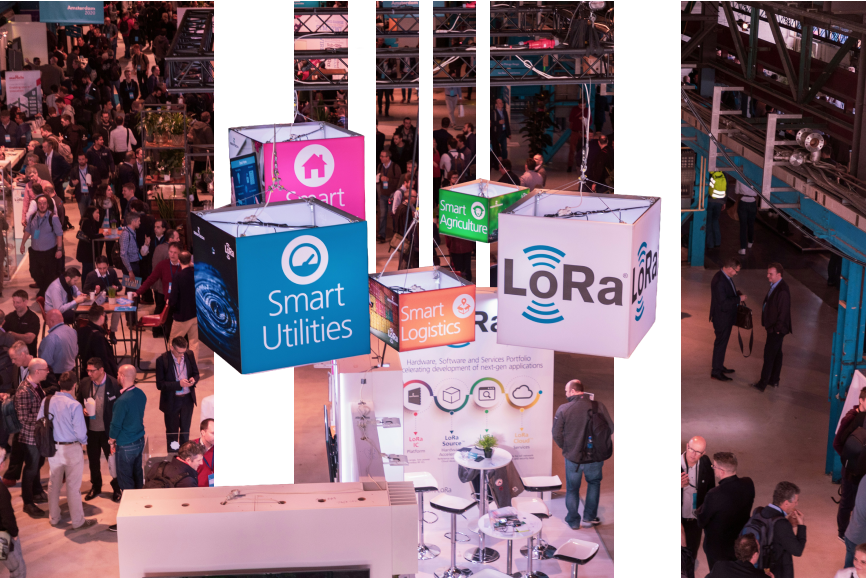
Physical events remain one of the strongest B2B pipeline sources available, and buyers still expect a polished, in person experience before they sign.
The best agencies handle strategy, trade show booth design, staffing, and post event nurture as one connected program, not separate line items.
Trade show marketing and general event marketing overlap heavily, but exhibit logistics and floor plan negotiations set trade shows apart.
A realistic first year budget covers far more than the booth itself: staffing, shipping, lead capture technology, and creative all add up.
Choosing between an agency and an in house team usually comes down to how many shows you run each year and how fast you need to scale.
Most trade show budgets don’t fail on the show floor. They fail six weeks earlier, when nobody booked pre-show meetings, and six weeks later, when the badge scans sat in a spreadsheet no one followed up on. The booth was never the problem, it’s everything a company didn’t build around it. That gap is exactly why B2B companies are increasingly outsourcing trade show strategy to specialized agencies instead of assembling one from borrowed graphics and whoever on the team has bandwidth that quarter.
A serious agency partner treats the booth as one piece of a longer program: the outreach that fills the calendar before doors open, the on-site experience that earns more than three seconds of attention, and the follow-up sequence that actually closes deals. Below, we cover the agencies worth a serious look in 2026, how trade show work differs from broader event marketing, what a realistic first-year budget looks like, and how to decide whether an agency or an in-house team is the smarter call for you.
Why Physical Events Still Move B2B Pipeline
Digital fatigue is real. Buyers scroll past another LinkedIn ad without a second thought, but they remember a conversation on a show floor. Cvent and Forrester data cited across the industry shows marketers now plan to spend well into six figures per major show, a sharp increase from just a few years ago, because the return still holds up against email and paid search.
Part of the reason trade show ROI stays strong is that events compress the buying cycle. A single well run conversation can do the work of three or four discovery calls, and it happens in front of a prospect who already showed up ready to compare vendors. Pairing that floor presence with a coordinated social strategy, amplifying your tradeshow presence across social channels before, during, and after the show, extends the reach of every conversation well past the people who actually walked the aisle.
None of that happens by accident. It takes planning, the right booth, and a team that knows how to work a floor, which is where a specialized agency earns its fee.
Best B2B Event Marketing & Tradeshow Agencies in 2026
These agencies span the United States, the United Kingdom, and continental Europe. SAGE Marketing tops the list as the strongest overall choice for managing the full program end to end, and the rest each bring a different specialist strength, from exhibit build to niche experiential design.
1. SAGE Marketing: Best Overall for End to End Management
SAGE treats a tradeshow as a growth engine, not a décor project, and that mindset shapes everything the team does. Instead of handing over a booth and wishing you luck, SAGE builds the full program around your company goals and budget from day one: audience targeting, messaging, and the pitch your team will actually deliver on the floor. Pre show, means meeting scheduling, campaign buildout, and selecting the right booth designer for the show. On site, SAGE runs the promotions, demos, and lead capture that keep the booth converting all day, and once the doors close, structured follow up and data driven analysis turn badge scans into pipeline and sharpen the next show’s strategy. With an experienced team working with startups in various industries, SAGE has led many B2B tech companies to a successful show whether with a small booth in small conferences and up to SPIE Photonics, BAUMA, RSA, Money 20/20 and CES. They are the ideal partner for B2B technology companies that want a single strategic partner orchestrating the entire trade show program instead of managing a stack of vendors on their own.
2. GPJ (George P. Johnson)
GPJ is one of the most established names in B2B experiential marketing, with decades of work for enterprise technology and industrial clients across global trade shows. The agency handles strategy, trade show booth design, fabrication, and staffing under one roof, and it is built for companies exhibiting at large scale events like CES or major cloud and enterprise software conferences. Great for global brands that need consistency across multiple regional shows in a single year.
3. Czarnowski
Czarnowski built its reputation on custom exhibit design and build, with a strong focus on modular systems that can be reconfigured for different show footprints without a full rebuild. The agency works closely with brand teams to keep booth architecture aligned with broader campaign messaging season over season. A strong fit for mid market and enterprise B2B brands that exhibit frequently and want a booth that evolves instead of getting rebuilt every year.
4. Impact XM
Now part of a larger experiential group following its merger with Jack Morton, Impact XM brings deep experience in technology and healthcare trade shows, congresses, and hybrid events. The agency puts particular emphasis on data capture and lead scoring at the booth, helping sales teams prioritize follow up the moment the show ends. Well suited for B2B tech companies that treat the booth as a lead generation engine first and a brand statement second.
5. Derse
Derse is an employee owned exhibit house with more than 75 years in the business and a client list that includes Fortune 500 names like GE Healthcare, Qualcomm, and John Deere alongside challenger B2B brands. Its in-house strategy, creative, and fabrication teams work under one roof, and a national network of regional offices keeps program management consistent across a full circuit of shows in a single year. A solid fit for established B2B companies that exhibit often and want long term continuity with the same team show after show.
6. TRO
Based in the UK, TRO specializes almost exclusively in B2B technology clients, with a client roster that has included major enterprise software and networking brands across European trade shows. The agency’s strength is translating dense technical products into booth experiences non technical attendees can understand in seconds. A strong pick for B2B tech companies exhibiting across UK and EU markets that need messaging discipline as much as design.
7. Sledge
Sledge is a London based live experience agency known for sustainable event production and creative storytelling on the show floor. The team leans into experiential moments, live demonstrations, film, and content capture, that extend a booth’s value into social and sales content long after the show closes. Good for brands that want their trade show presence to double as a content shoot.
8. Schmidhuber
Headquartered in Munich, Schmidhuber approaches exhibitions with an architecture first mindset, having designed national pavilions and large scale exhibition spaces for major European trade fairs. The agency’s work tends toward bold, structural trade show booth design rather than modular kits, which suits brands with the budget and ambition to make their space the one people photograph. Best for enterprise brands anchoring a flagship presence at a major European show, alongside industry gatherings like the events covered in our roundup of the top cybersecurity conferences.
How the Agencies Compare
Agency
Headquarters
Best For
Signature Strength
SAGE Marketing
Tel Aviv, London, and Dubai
Companies wanting one partner for the full program
Strategy, budget alignment, and end to end programt management
GPJ
United States
Global enterprise brands with multiple regional shows
Full service strategy, design, and staffing
Czarnowski
United States
Frequent exhibitors wanting a reusable booth system
Modular custom exhibit design
Impact XM
United States / Global
Tech and healthcare brands focused on lead capture
Data driven booth engagement
Derse
United States
Frequent exhibitors wanting continuity across a show circuit
In house strategy, creative, and fabrication under one roof
TRO
United Kingdom
B2B tech companies exhibiting across the UK and EU
Translating technical products into booth stories
Sledge
United Kingdom
Brands wanting content, not just a booth
Live experience and sustainable production
Schmidhuber
Germany
Flagship presences at major European trade fairs
Architecture led, structural exhibit design
Trade Show Versus Broader Event Marketing: Where the Lines Blur
Trade show marketing and event marketing get used interchangeably, but they are not quite the same discipline. Trade show work centers on a physical exhibition owned by a third party organizer: you rent floor space, follow their rules on booth height and neighboring exhibitor distance, and compete for attention inside someone else’s event.
Broader event marketing includes trade shows but also covers company owned events such as user conferences, regional roadshows, and executive dinners, along with virtual and hybrid formats. The strategic skills overlap heavily: audience segmentation, pre event outreach, on site engagement, and post event nurture apply everywhere. What changes is logistics. Trade shows demand exhibit design within strict spatial and structural rules, general contractor coordination, and negotiation with show organizers over placement and sponsorship packages, none of which applies when you are running your own user conference in a venue you booked directly.
Most agencies on the list above work across both categories, but it is worth asking directly how much trade show specific floor experience a prospective partner actually has before signing a contract.
Budgeting for Your First Major Trade Show Presence
First time exhibitors consistently underestimate cost because they budget for the booth and forget everything around it. A small 10 by 10 or 10 by 20 booth typically runs from three thousand to ten thousand dollars, while a custom 20 by 20 or larger presence can climb well past fifty thousand once fabrication and shipping are included. Our detailed breakdown of trade show budget allocation walks through the full range by booth size.
Beyond the physical structure, plan for staff travel and training, lead capture technology, pre show outreach campaigns, and sponsorships such as lanyards or WiFi branding that can matter more than booth size for visibility. Shipping and drayage alone can add thousands of dollars that rarely show up in an early estimate, and last minute changes to booth design cost significantly more than decisions locked in months ahead.
Building an honest budget early is one of the simplest ways to protect trade show ROI, since money saved through smart planning can be redirected toward staffing or follow up campaigns that actually convert leads into pipeline.
Working With an Agency Versus Building an In-House Events Team
The decision between hiring a B2B event marketing agency and building an internal events function usually comes down to volume and speed. Companies exhibiting at one or two shows a year rarely justify a full time events hire, since an agency brings existing relationships with general contractors, fabricators, and show organizers that would take years to build internally.
Companies running eight, ten, or more shows annually often land on a hybrid model: a lean internal team that owns strategy, brand consistency, and sales alignment, paired with an agency or a rotating set of specialists for design and on site execution. This keeps institutional knowledge in house while still tapping outside expertise for booth design and fabrication.
Whichever route you choose, work from a shared event marketing checklist that covers goals, budget, staffing, pre show outreach, and post show follow up, so nothing falls through the cracks between the team and the agency. SAGE’s own trade show handbook includes a bonus budget template built around exactly this kind of checklist, in case you want a starting point instead of building one from scratch.
FAQs
What’s included in typical trade show agency pricing?
A B2B event marketing agency typically prices strategy and creative direction, trade show booth design, fabrication or rental, and on site project management as the core package. Staffing, shipping, storage, and travel are frequently billed separately or itemized as add ons, so always ask for a full scope breakdown before comparing quotes across agencies, since a lower headline number can hide costs that appear later.
How far ahead should event planning start?
For a major trade show presence, start planning six to nine months out, especially if custom booth design or fabrication is involved. Smaller modular presences can move faster, sometimes in eight to twelve weeks, but pre show outreach and meeting scheduling still benefit from starting at least six weeks before the doors open.
Do these agencies handle virtual or hybrid events?
Most of the agencies listed also support virtual and hybrid formats, particularly Impact XM and Sledge, which both have production capabilities built for livestreaming and content capture. That said, trade show specialists like Czarnowski and Schmidhuber remain primarily focused on physical exhibit design, so confirm hybrid capabilities directly before assuming they are included.
Is booth design billed separately from strategy?
It depends on the partner. Full program agencies like SAGE Marketing and GPJ typically fold strategy and booth selection into a single scope, while boutique or design focused shops price trade show booth design as its own line item apart from messaging and pre show campaign work. Clarify this upfront so budget approvals do not stall mid project.
Today, as CMO-as-a-Service at SAGE Marketing, Shlomit partners with technology companies to build powerful brands, accelerate demand generation, and connect innovation with results. Her approach is creative, data-driven, and always focused on what truly matters — turning strategy into measurable success.
Aliza is a seasoned content and social media strategist with over a decade of experience humanizing B2B tech brands through organic growth and executive thought leadership.
Sarit founded SAGE to allow technology companies to take innovation to the next business level and fulfill the entrepreneur’s dream to change the world by building market recognition, increasinge customer awareness and improvinge the foundation for strong and sustainable revenue growth.
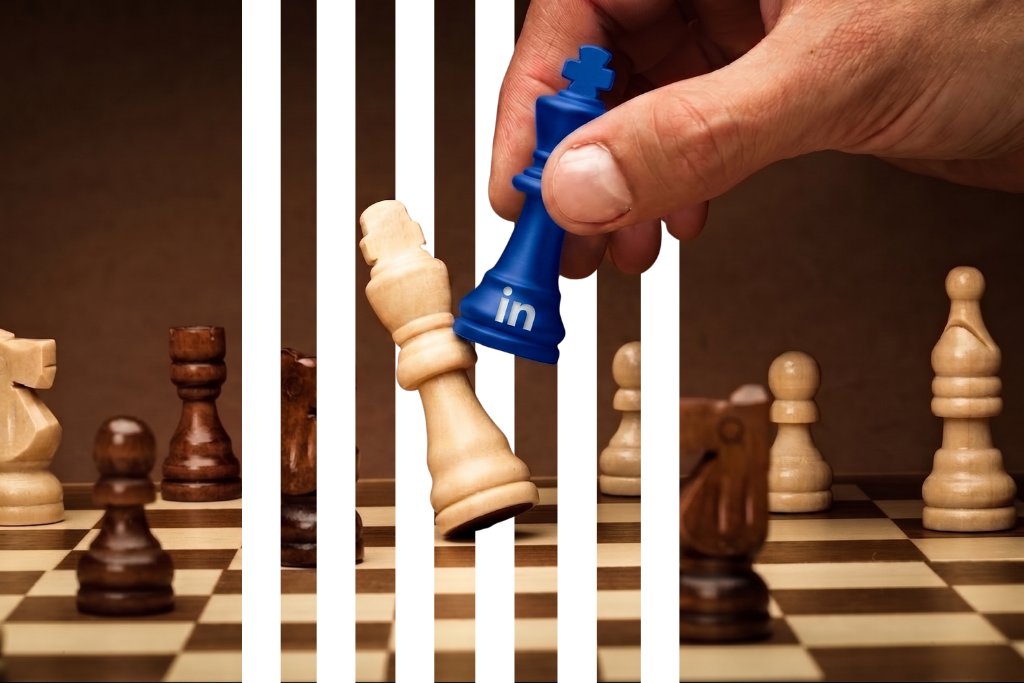
LinkedIn outperforms other social platforms for early-stage B2B tech startups because it puts founders directly in front of the decision-makers who buy their product.
A sharp company page and optimized founder profiles are the foundation of any credible LinkedIn strategy for startups.
Content built around a clear, consistent point of view beats high posting volume.
Growing reach without paid spend comes down to genuine engagement and relationship-building.
Why LinkedIn Is the Right Channel for Early-Stage B2B Tech Startups
Most early-stage startups are told to be everywhere. That advice is expensive and, for B2B tech companies with limited marketing budgets, wrong. LinkedIn is the one platform where the audience overlap with actual buyers is highest. The people evaluating a B2B software purchase, whether that’s a VP of Engineering, a Head of Revenue Operations, or a founder doing due diligence on a vendor, are already on LinkedIn in a professional mindset. They’re scrolling to learn what’s working in their industry and who’s worth paying attention to.
This is the core logic behind any effective LinkedIn growth strategy for B2B companies: the platform’s default context does the targeting for you. A post about a product decision, a hiring lesson, or a customer insight reaches people already primed to evaluate it professionally.
There’s also a trust dynamic unique to LinkedIn for early-stage tech companies. Buyers in B2B software are making decisions that carry real risk: budget, implementation time, internal buy-in. They want to see the people behind a product before they commit. A founder or team member posting consistently and specifically builds the kind of familiarity that shortens sales cycles later. This is why LinkedIn tends to punch above its weight for early-stage companies relative to paid channels: the content itself becomes part of the trust-building process, not just an awareness play.
None of this happens automatically. LinkedIn rewards specificity and consistency. That’s the case for treating it as a real strategy, not a checkbox.
The Foundation: Profile and Company Page Setup That Works
Before any content strategy matters, the basics need to be right. Skip this step, and it’ll cost you credibility when a prospect visits your page and checks you out.
Company page. A startup’s LinkedIn company page should communicate, in the first five seconds, what the company does and for whom. That means a clear tagline in the “About” section (not a mission statement), a banner image that reflects the actual product or brand, and a “Featured” section that highlights the best proof points: a case study, a product demo, a strong piece of thought leadership. Startups often leave company pages half-finished because founders assume no one looks at them. Prospects do, especially after seeing a founder’s post and clicking through to vet the company.
Founder and team profiles. For an early-stage startup, individual profiles carry more weight than the company page itself. A founder’s headline should say something specific about the problem they solve, not just their title. The “About” section should speak directly to the target ICP: what pain point the company addresses and why the founder is credible on the topic. Every team member who’s active on LinkedIn, not just the founder, is a distribution channel and a credibility signal.
Visual consistency. Banner images, headshots, and any graphics used in posts should feel like they come from the same company. This doesn’t require a design team. It requires picking a simple, repeatable visual approach (a color, a template, a consistent headshot style) and sticking with it.
Startups skip this foundation because it feels like busywork compared to “real” content. But the foundation is what makes everything built on top of it credible.
Content That Connects With B2B Decision-Makers
Once the foundation is in place, you should start building a B2B LinkedIn content strategy. For early-stage startups especially, a few content types consistently perform better than others.
Founder-led point of view posts. Sharing a specific opinion, ideally a slightly contrarian one, about the space your startup operates in will get you more meaningful eyeballs on your content. Decision-makers follow people who have a unique take and aren’t afraid to say it.
Behind-the-build content. Product decisions, early customer feedback, lessons from a failed feature, or a hard call made during a fundraise. This content works because it’s specific to you and will have your experience baked into it.
Customer proof, told as a story. Rather than a generic “we’re excited to announce our partnership” post, walk through the actual problem a customer had and how it got solved. This does double duty as marketing and as a case study.
Educational posts rooted in real experience. Frameworks, checklists, or observations drawn from direct work with customers (and if you can name and tag them even better!).
The common thread across all four types is a clear, consistent angle. A startup that posts constantly but without a defined point of view will get less traction than one that posts twice a week with a sharp, recognizable perspective. A consistent angle, even at lower frequency, is what makes an audience start to recognize and anticipate a company’s content.
Where Early-Stage Startups Go Wrong on LinkedIn
The fastest way to waste LinkedIn’s potential is to treat it like a press release feed.
Startups that repost company announcements word-for-word, lean on corporate language instead of a real voice, or only show up when there’s news to share, don’t build the familiarity that actually moves buyers. The same goes for posting in bursts: three weeks of daily content followed by a month of silence resets whatever trust was building.
Another common misstep is treating comments as an afterthought. A founder who posts and disappears is easy to scroll past. A founder who replies, asks a follow-up question, or engages on other people’s posts in between their own is the one people start to recognize. None of this requires more content. It requires the content that does exist to actually sound like a person with a point of view.
Building Strategic Visibility: Engagement and Network Growth
Organic reach on LinkedIn isn’t just a function of posting. The most effective, no-cost way to grow reach is direct engagement with the accounts that matter: target customers, industry commentators, investors, and adjacent founders. Commenting thoughtfully on their posts, puts a founder in front of that audience repeatedly before those people ever see a company post.
The mechanics matter here too. LinkedIn weighs engagement in the first hour or two after a post goes live more heavily than what comes later, which is part of why direct engagement with the right accounts works: it gets a post in front of people likely to comment early. Comments also carry more weight than likes in how far a post travels. And posts with a link in the body tend to get deprioritized in favor of ones that keep people on the platform, which is why founders will often put a resource link in the first comment instead.
The real goal is turning connections into conversations. A comment that leads to a DM, a DM that leads to a call, a call that leads to a pipeline conversation. Follower count doesn’t do any of that on its own. The startups that get the most out of LinkedIn treat every engagement as a potential entry point into a relationship.
Measuring What Is Working (Without Getting Distracted by Vanity Metrics)
Follower count is the easiest number to track and the least useful one for an early-stage company. It says nothing about whether the right people are paying attention or whether that attention is moving toward a sales conversation.
More useful metrics for a startup at this stage include profile views from people in the target ICP, the ratio of comments to impressions (a strong signal of genuine resonance versus passive scrolling), and, most importantly, the number of inbound conversations that trace back to a LinkedIn post or comment. That last one requires simply asking new leads how they found the company, and tracking the answer.
Worth building this into the CRM directly. Tagging LinkedIn-sourced leads at the point of intake means marketing and sales are looking at the same number instead of marketing claiming credit off an informal count. It also makes it possible to trace which specific posts or topics eventually turned into real pipeline, not just which ones got attention.
It’s also worth watching which specific posts generate the most qualified engagement, not just the most likes. A post with 40 reactions from people outside the target audience is less valuable than one with 12 reactions and three comments from actual prospects. Early-stage companies should build a simple habit of reviewing which topics and formats produce ICP-relevant engagement, then doing more of that.
FAQ
How often should an early-stage startup post on LinkedIn to see results?
One to two times a week is a realistic, sustainable cadence for most early-stage teams. Consistency matters more than frequency. A startup that posts twice a week with a clear point of view will outperform one that posts daily with generic content, and burns out faster trying to keep up.
Should the founder or the company page be the main LinkedIn voice for a B2B startup?
Yes. Individual profiles get significantly more organic reach than company pages on LinkedIn’s algorithm, and buyers trust people over logos. The company page still matters as a credibility anchor, but it should support the founder’s voice.
What types of LinkedIn posts drive the most engagement for B2B tech companies?
Founder-led opinions, behind-the-build stories, and customer proof told narratively outperform generic industry commentary. The common factor is specificity: content that only this company could have written, based on real experience.
How long does it take for a LinkedIn strategy to show measurable results for a start-up?
Most startups see early engagement signals (profile views, comments, inbound DMs) within four to eight weeks of consistent posting. Pipeline-level results, actual conversations turning into deals, typically take three to six months, since it depends on building trust before a buying moment happens.
Aliza is a seasoned content and social media strategist with over a decade of experience humanizing B2B tech brands through organic growth and executive thought leadership.
Sarit founded SAGE to allow technology companies to take innovation to the next business level and fulfill the entrepreneur’s dream to change the world by building market recognition, increasinge customer awareness and improvinge the foundation for strong and sustainable revenue growth.
Today, as CMO-as-a-Service at SAGE Marketing, Shlomit partners with technology companies to build powerful brands, accelerate demand generation, and connect innovation with results. Her approach is creative, data-driven, and always focused on what truly matters — turning strategy into measurable success.
startup marketingstartups lead generationB2B Marketing
For years, B2B marketing has been moving toward greater measurement, attribution and accountability. We can measure clicks, conversions, cost per lead, customer acquisition cost, marketing-qualified leads, opportunities, pipeline, return on ad spend and almost every digital interaction that happens before someone becomes a customer.
Platforms such as Google, LinkedIn and HubSpot have given B2B marketing teams extraordinary visibility into buyer behavior, and as budgets become tighter and CEOs demand a clearer connection between marketing investment and revenue, the pressure to prove marketing ROI has only increased. This is largely a positive development because marketing teams should absolutely understand how their investments contribute to business growth.
The problem begins when what is easiest to measure becomes what we assume matters most.
A Google Ads campaign generates a demo request, so paid search receives the credit. A LinkedIn campaign produces an opportunity, so paid social appears to have generated the pipeline. An email leads to a meeting, so email receives the attribution.
But what happened before that conversion?
The prospect may have been seeing the company’s name for a year, following its CEO on LinkedIn, encountering its content in Google, asking ChatGPT about solutions in its category, hearing the company mentioned by colleagues, seeing it at a trade show, reading an article, attending a webinar or listening to one of its executives on a podcast.
Then the business problem becomes urgent, the buyer searches Google, clicks an ad and books a demo, and the attribution report concludes that Google Ads generated the lead. Technically, Google may have captured the lead at the moment of conversion, but that still leaves a much more important marketing question unanswered: Did Google actually create the demand, or did it simply capture demand that months of brand awareness and previous marketing activity had already created?
That distinction is at the heart of one of the most important questions in modern B2B marketing: How should companies balance brand awareness and performance marketing?
The answer is not to choose between them, because successful B2B marketing requires both. Brand marketing creates awareness, familiarity, trust and preference before buyers are ready to purchase, while performance marketing captures existing demand when buyers demonstrate intent. When the two work together, companies can build a more sustainable pipeline instead of continually competing for the small percentage of the market already looking for a solution.
What is B2B Brand Awareness?
B2B brand awareness is the degree to which potential buyers recognize a company, understand what it does and associate it with a particular problem, solution, category or area of expertise.
But recognition alone is not enough, because the objective of B2B brand building is not simply for more people to know your company name. It is to increase the likelihood that when the right buyer experiences the problem you solve, your company comes to mind as a credible solution, which is an important distinction when evaluating the real business impact of brand awareness.
A technology company may have thousands of LinkedIn followers and still have weak brand awareness among its actual target market. Conversely, a relatively small B2B company may be extremely well known among the few thousand executives, technical buyers or industry specialists who influence purchasing decisions in its category.
Effective B2B brand awareness therefore combines several elements:
Recognition: Have relevant buyers heard of you?
Association: Do they understand what problem you solve?
Relevance: Do they believe your solution applies to their business?
Trust: Do they consider you credible?
Recall: Will your name come to mind when they enter the market?
Preference: Are they more likely to consider you than an unfamiliar alternative?
This is why brand awareness should not be dismissed as a vanity metric. Properly built, brand awareness can influence demand generation, sales efficiency, conversion rates and ultimately revenue.
What is Performance Marketing in B2B?
B2B performance marketing refers to marketing activities optimized around measurable actions such as clicks, leads, demo requests, meetings, opportunities, pipeline or revenue.
Typical B2B performance marketing channels include paid search, LinkedIn advertising, paid social, retargeting, conversion campaigns, landing pages, lead-generation programs and some forms of outbound demand generation.
Performance marketing is particularly powerful when buyers already have intent.
Someone searches:
“best HubSpot partner for B2B SaaS”
“medical device QMS software”
“enterprise cybersecurity platform”
“B2B marketing agency for technology companies”
At that moment, the buyer is signaling interest in a category or solution. The company can bid on the search term, serve an advertisement, direct the prospect to a landing page and measure whether the visitor converts.
This is what we mean by demand capture, and it is an extremely valuable component of B2B performance marketing because it allows companies to reach buyers at the moment when purchase intent becomes visible. However, capturing existing demand is not the same as creating the awareness, trust and preference that cause buyers to consider your company before that active search begins.
Brand Marketing vs. Performance Marketing: What is The Difference?
The simplest way to understand the difference between brand marketing and performance marketing is through buyer intent.
Brand marketing influences buyers before and while they are forming preferences. Performance marketing is generally strongest when intent already exists.
Brand Marketing
Performance Marketing
Builds awareness and familiarity
Captures existing intent
Creates long-term market preference
Drives measurable short-term actions
Reaches buyers before they are ready
Targets buyers showing signals of interest
Builds trust and category association
Optimizes conversions
Often works across a longer time horizon
Usually measured through shorter feedback cycles
Harder to attribute to one interaction
Easier to attribute to campaigns
Creates future demand
Captures current demand
The mistake is treating brand marketing and performance marketing as an either/or decision, because the strongest B2B growth strategies connect the two: brand marketing creates awareness, familiarity and preference among future buyers, while performance marketing converts that accumulated demand into measurable actions when buying intent appears.
Demand Creation vs. Demand Capture
One of the most useful distinctions in B2B marketing strategy is the difference between creating demand and capturing demand.
Demand capture focuses on people already looking for a solution, while demand creation focuses on building awareness, understanding and preference among people who may become buyers in the future.
Imagine a company selling enterprise software where only a small percentage of its total addressable market is actively evaluating software at any given moment. Paid search and other performance channels can compete aggressively for those buyers, but the much larger opportunity sits with everyone else: companies that may experience the problem six months from now or next year, buyers who already recognize the problem but have not prioritized solving it, and organizations that do not yet realize a better solution exists.
If marketing focuses entirely on people already searching, the company is competing for demand that already exists rather than influencing the much larger future market, which is precisely where B2B brand awareness and demand creation become strategically important because they help build familiarity and preference before buyers enter an active purchasing cycle.
Why is Brand Awareness Important in B2B Marketing?
Brand awareness matters because B2B purchasing decisions involve risk.
Choosing an enterprise software platform, cybersecurity vendor, technology partner, consultancy or infrastructure provider is very different from making a low-cost consumer purchase.
A poor B2B decision can cost a company significant money, delay a project, disrupt operations and damage the reputation of the person who recommended the vendor.
Buyers therefore look for reassurance, often asking themselves questions such as:
Do we know this company?
Have we heard of them?
Do they understand our industry?
Do they appear credible?
Who else uses them?
Have we seen their executives speaking about this topic?
Does the market recognize them?
B2B brand building helps answer these questions long before the first sales conversation begins, which means brand awareness can influence not only which vendor ultimately wins an opportunity, but also which companies buyers know, trust and include on their shortlist in the first place.
How Brand Awareness Improves Performance Marketing
One of the biggest misconceptions in marketing is that brand and performance operate separately.
In reality, strong brand awareness can improve performance marketing results.
Consider two companies bidding on exactly the same Google keyword.
Company A has spent the previous year consistently building market visibility. Its executives publish useful LinkedIn content, its articles rank in Google, it appears in relevant AI-generated answers, customers talk about it, its experts participate in webinars and podcasts, and prospects have encountered the company at events and in industry communities.
Company B has invested almost exclusively in paid acquisition.
Both advertisements appear on the same search results page.
Are the two companies equally likely to receive the click? Probably not, because a buyer may look at Company A and immediately think, “I’ve heard of them,” and that seemingly small moment of brand recognition can influence not only which search result receives the click, but also what happens after the buyer arrives on the website.
The buyer may spend more time on the website, trust the messaging more quickly, book a meeting with less hesitation and enter the sales process with greater confidence. In other words, Company A is not simply buying a click; it is converting accumulated familiarity into action.
Why Last-Click Attribution Underestimates Brand
Marketing attribution systems naturally favor interactions that occur close to conversion.
If a buyer clicks a Google ad and immediately submits a form, the connection is easy to see.
But imagine what happened during the previous twelve months: the buyer saw several LinkedIn posts from the CEO, encountered an article in Google, heard the company mentioned in a professional community, watched part of a webinar, walked past the company’s booth at a trade show, read a customer story and asked ChatGPT about the category, where they recognized the company among the suggested options.
Months later, they clicked an advertisement and converted.
Which interaction generated the opportunity? There may be no meaningful single answer because the purchase was influenced by multiple marketing touchpoints working together.
This is why last-click attribution can be useful operationally but dangerous strategically. It tells us where the measurable conversion occurred, but not necessarily what created the buyer’s awareness, trust or preference.
The B2B Buyer Journey is Not a Funnel
Traditional marketing diagrams usually show a funnel:
Awareness → Consideration → Decision → Purchase
Real B2B buying journeys rarely behave so neatly.
A prospect might discover your CEO through LinkedIn, encounter the company at a conference three months later, search Google when a business problem becomes more urgent, read one of your articles, leave without converting, ask colleagues for recommendations, ask ChatGPT which vendors should be considered, return directly to your website and eventually book a meeting.
Meanwhile, the CFO, CTO, procurement manager and end user may each have completely different journeys. One may know your company well, another may encounter it for the first time during the buying process, and another may never visit your website at all but still influence the final decision.
There is no single funnel because there is no single buyer, particularly in complex B2B sales where buying committees, long sales cycles and high perceived risk mean that awareness and trust are often built long before a company can identify an opportunity in its CRM.
The question, therefore, should not only be “Which channel generated this lead?” A much more useful question is “What made this buying committee know us, trust us and consider us when the need arose?”, because that question changes how we think about the role of marketing throughout the entire B2B buyer journey.
Brand Awareness Matters Even More as AI Changes B2B Discovery
The rise of generative AI is adding another layer to the B2B buyer journey.
Buyers no longer rely only on Google to discover and research potential solutions. They increasingly use ChatGPT and other AI platforms to ask much more complex questions:
“What are the best solutions for this problem?”
“Which vendors should I consider?”
“What is the difference between these platforms?”
“Which companies specialize in my industry?”
“What should I look for when selecting a B2B technology vendor?”
This is one of the reasons GEO, or Generative Engine Optimization, has become an important extension of SEO. Companies need to think not only about whether their website ranks for a keyword, but whether their brand, expertise and content are sufficiently visible and understandable across the digital ecosystem to be surfaced, cited or recognized in AI-assisted discovery.
There is another important dimension to this. Imagine an AI platform suggests five vendors, but the buyer has never heard of four of them while the fifth is a company whose CEO they have followed on LinkedIn, whose articles they have encountered in Google, whose name they heard at a conference and whose webinar they attended six months earlier.
Which company is likely to receive the first click?
Being discoverable matters, but being discoverable and already familiar is considerably more powerful.
SEO, GEO and brand awareness therefore should not be treated as separate marketing initiatives. SEO helps buyers find you in search, GEO helps your company become understandable and discoverable through generative AI, and brand building creates the familiarity and trust that can make discovery turn into consideration.
Thought Leadership is Brand Building, Even When Nobody Clicks
This is particularly relevant to executive and founder-led marketing.
Suppose a CEO consistently publishes useful insights on LinkedIn. Thousands of relevant people see those posts over the course of a year, but relatively few click through to the company website and even fewer immediately complete a form.
A traditional performance dashboard might conclude that the activity has generated very little pipeline, but that conclusion ignores what may actually be happening.
Potential buyers repeatedly see the CEO’s name, company and perspective. They begin associating that person with a particular field of expertise, recognize the company’s point of view and become familiar with the problems it solves.
Months later, one of those people may receive an outbound email from the company and recognize the name, encounter the company at a trade show and recognize it again, see it among the Google search results when actively researching the problem, or find it included in an AI-generated list of potential vendors. Each interaction reinforces the same valuable feeling of familiarity, even though none of those individual touchpoints may receive full attribution for the eventual opportunity.
Together, however, these interactions create something extremely valuable: mental availability, meaning the company is already in the buyer’s mind when the problem becomes relevant.
That is one of the most important functions of B2B brand marketing and one of the hardest things for conventional attribution models to capture.
Brand Awareness Can Make Every Performance Channel Work Harder
One of the reasons I dislike the debate around brand marketing vs. performance marketing is that it assumes the two compete with one another, when in fact they should reinforce one another.
Strong B2B brand awareness can improve the performance of almost every demand-generation and demand-capture channel.
A familiar company may achieve better results from paid search because buyers recognize its name. Outbound may perform better because prospects have heard of the company before receiving the email. Event meetings may be easier to secure because attendees already know the brand. Content may attract more attention because readers recognize the author. Webinar registrations may increase because the speakers already have credibility. Sales conversations may progress faster because the salesperson does not need to establish trust entirely from zero.
Even branded search itself can be a signal that something else is working, because people do not normally wake up and randomly search for the name of a B2B company they have never encountered.
Something created that awareness before the branded search occurred, whether it was LinkedIn, PR, a podcast, a colleague, a conference, an article, a professional community, an existing customer, an AI recommendation or even an advertisement the buyer saw but never clicked.
The branded Google search may be measurable, but it is often the result of marketing rather than the beginning of it.
How Do You Measure B2B Brand Awareness?
This is where the conversation becomes more difficult.
If brand marketing matters, CEOs and marketing leaders are right to ask how its business impact should be measured.
The answer is not that brand cannot be measured; the answer is that B2B brand awareness should not be measured with one metric or one attribution model.
Companies should look at a combination of leading and lagging indicators that show whether market awareness, consideration and commercial performance are changing over time.
Useful B2B brand awareness metrics can include:
Branded search volume and growth in searches for the company name
Direct website traffic and returning visitors
Organic search visibility for important category and problem-related topics
Visibility and mentions across AI-generated answers
Share of search relative to competitors
Engagement from relevant ICP audiences on LinkedIn and other channels
Growth in executive or founder audiences
PR mentions and industry visibility
Webinar, event and podcast audiences
Website conversion rates among returning visitors
Self-reported attribution
Pipeline influenced by multiple marketing touchpoints
Sales cycle length and win rates
Unaided and aided brand awareness research where appropriate
No single B2B brand awareness metric can tell the entire story, which is why the objective should be to identify patterns across multiple indicators and understand whether awareness, familiarity, consideration and commercial performance are strengthening over time.
Are more people searching for the company directly? Are more prospects arriving already familiar with the brand? Is organic and direct traffic growing? Are salespeople hearing “I’ve been following you for a while” more frequently? Are more prospects including the company on shortlists without being actively prospected first?
These are meaningful commercial signals.
Ask Customers a Question Your Attribution Software Cannot Answer
There is also a remarkably simple measurement tool that many companies overlook.
Ask new customers:
“How did you first hear about us?”
And perhaps even more importantly:
“What made you decide to contact us?”
The answers are often very different from what appears in the CRM: Google Analytics may report “organic search” while the customer says, “I’ve been reading your CEO’s posts for a year”; HubSpot may attribute the conversion to paid search while the buyer explains that a colleague recommended the company; and the CRM may identify a webinar as the first recorded touch even though the customer says, “I’ve known about you for years.”
None of this means analytics and attribution are useless; on the contrary, they are extremely useful, but quantitative attribution tells only part of the story.
Combining behavioral data with self-reported attribution, customer interviews, sales feedback and longer-term market signals provides a much more realistic picture of how B2B marketing actually influences revenue.
What Is the Right Balance Between Brand and Performance Marketing?
There is no universal percentage that every B2B company should allocate to brand versus performance.
The right balance depends on the company’s maturity, category, sales cycle, market awareness, competitive environment, average deal size and growth objectives.
An early-stage company entering a market where almost nobody knows it may need significant investment in category education, thought leadership and awareness alongside targeted demand capture. A more established company with strong market recognition may be able to invest differently, while a company entering a new geography may need to rebuild awareness even if its brand is already strong elsewhere.
A business with a very narrow enterprise ICP may also build brand through executive thought leadership, ABM, events, industry communities and targeted content rather than broad advertising.
The precise channel mix will differ, but the strategic principle remains the same: Do not spend your entire marketing budget capturing today’s demand while neglecting the people who will become tomorrow’s buyers.
B2B Brand Building Does Not Mean Spending Millions on Advertising
This is another misconception worth addressing.
When people hear “brand awareness,” they often imagine television commercials, billboards and large advertising campaigns, but B2B brand building can look very different.
A strong B2B brand can be built through consistent executive thought leadership, original research, high-quality content, SEO and GEO, customer stories, PR, industry influencers, podcasts, webinars, professional communities, trade shows, executive roundtables, partnerships and distinctive points of view.
The common denominator across successful B2B brand-building channels is not the specific platform or tactic being used, but consistency in how the company communicates its positioning, expertise, point of view and value to the market over time.
The market needs to repeatedly encounter a clear idea about who you are, what problem you solve and why your perspective matters.
This is why constantly changing positioning, messaging and campaigns can be counterproductive. Marketing teams get bored with messages much faster than the market does, even though consistent repetition builds memory, memory strengthens brand recognition, and recognition makes consideration easier when buying intent eventually appears.
Performance Marketing Without Brand Eventually Becomes Expensive
There is another business reason to invest in brand: competing only for existing demand can become increasingly expensive.
If ten companies are bidding for the same high-intent keywords, advertising costs rise. If hundreds of vendors are targeting the same decision-makers on LinkedIn, attention becomes more expensive. If every company uses AI to generate outbound emails, inboxes become even more crowded. If everyone publishes more content, simply producing content stops being a differentiator.
Performance marketing channels are essentially marketplaces for buyer attention and intent, and those marketplaces naturally become more expensive as more competitors pursue the same limited audience, which is why a recognizable and trusted B2B brand can fundamentally change the economics of customer acquisition.
Instead of competing only on who can pay more for the click, send more emails or generate more impressions, you begin benefiting from something competitors cannot instantly buy: accumulated familiarity and trust.
That is why a brand should be viewed as an asset rather than merely an expense.
Brand Awareness is Not an Excuse for Marketing Without Accountability
None of this means every activity labeled “brand” is valuable.
Brand awareness is not a license to spend money without strategy or measurement.
A viral post reaching people who will never buy from you is not necessarily good B2B marketing. A beautiful campaign nobody remembers is not effective simply because it won a creative award. A trade show with thousands of attendees may be useless if none match your ICP, and a podcast with a large audience may create little commercial value if it reaches the wrong market.
Effective B2B brand marketing should begin with the same strategic questions as every other part of marketing:
Who are we trying to influence?
What do we want them to know us for?
Which problem or category do we want associated with our name?
Where does this audience spend its attention?
What will make our point of view distinctive and memorable?
How will we know whether awareness and preference are growing?
Brand building without a clear strategy can easily become noise, while B2B brand building that is tightly connected to positioning, ICP, category, customer needs and business objectives can become a meaningful long-term growth asset.
What Does a Strong B2B Brand and Performance Strategy Look Like?
A strong B2B marketing strategy does not separate the world into “brand channels” and “performance channels” and then force each one to justify itself independently. Instead, it builds a connected system in which different channels perform different jobs and reinforce one another throughout the B2B buyer journey.
Executive LinkedIn content can create awareness and thought leadership, PR can build third-party credibility, SEO can make the company discoverable when buyers research a problem, GEO can improve visibility and relevance in AI-assisted discovery, original content can demonstrate expertise, customer stories can reduce perceived risk, and communities can create trust and peer validation.
Webinars and podcasts can deepen familiarity, trade shows and executive roundtables can turn digital awareness into human relationships, paid search can capture active intent, paid social can distribute messages and reach target accounts, ABM can coordinate engagement across strategic accounts, outbound can initiate conversations, email can nurture interest, and marketing automation and CRM platforms such as HubSpot can connect signals, journeys and revenue outcomes.
Sales can then turn accumulated awareness, trust and intent into commercial conversations.
None of these activities is a silver bullet because the real value of a modern B2B marketing strategy comes from how these channels reinforce one another throughout the buyer journey.
So, Is Brand Awareness or Performance Marketing More Important?
Neither works as well alone as they can together.
Performance marketing helps B2B companies capture existing demand. Brand marketing helps create future demand and increases the likelihood that buyers choose your company when they enter the market.
If you invest only in brand, you may build awareness without having an effective mechanism for turning intent into pipeline. If you invest only in performance, you may become extremely efficient at competing for buyers who are already shopping while doing very little to influence everyone else.
The strongest B2B marketing strategies build awareness before buyers are ready to purchase, become discoverable through SEO and GEO when buyers begin researching, create trust throughout the evaluation process, capture intent when prospects are ready to engage and continue investing in the brand that will generate and influence the next generation of opportunities.
Marketing Is a System, Not a Collection of Leads
Perhaps the biggest mistake we have made in modern marketing is expecting every individual activity to prove its value independently.
We ask:
How many leads did LinkedIn generate?
How much pipeline came from the event?
What was the ROI of the podcast?
How many opportunities came from PR?
Did the CEO’s posts generate meetings?
What was the ROAS of this campaign?
Those are useful questions, but they become dangerous when they are the only questions.
Marketing does not work as a collection of isolated transactions; it works as an interconnected system in which brand creates familiarity, thought leadership creates authority, content creates understanding, PR creates credibility, SEO and GEO create discoverability, communities create trust, events create relationships, performance marketing captures intent, outbound creates conversations, marketing automation nurtures interest, and sales ultimately converts accumulated awareness, trust and intent into revenue.
Measurement should help us understand and improve this entire system rather than encouraging us to optimize one part so aggressively that we slowly starve everything feeding it.
Because if all of your marketing budget is dedicated to harvesting the demand that exists today, there is one question every CEO, CMO and B2B marketing leader should eventually ask: Who is creating the demand we plan to capture tomorrow?
That is why the future of B2B marketing is not brand or performance, but brand and performance working together to create demand, capture demand, measure both intelligently and build a brand buyers already know and trust by the time they are ready to buy.
Frequently Asked Questions
What is the difference between brand marketing and performance marketing?
Brand marketing builds awareness, familiarity, trust and preference over time, while performance marketing focuses on generating measurable actions such as clicks, leads, demo requests, opportunities and revenue. In B2B marketing, the strongest strategy combines both: brand creates and influences demand, while performance marketing captures demand when buyer intent becomes visible.
Does brand awareness generate B2B pipeline?
Yes, although its impact is often distributed across multiple touchpoints and a longer period than performance campaigns. Brand awareness can increase branded search, direct traffic, response rates, conversion rates and the likelihood of being included on a buyer’s shortlist. It can therefore influence pipeline even when it is not recorded as the final attribution source.
How can B2B companies measure brand awareness?
B2B companies can measure brand awareness using a combination of branded search volume, direct traffic, share of search, returning visitors, relevant social engagement, PR visibility, AI visibility, self-reported attribution, customer research, website conversion trends and pipeline influenced by multiple touchpoints. No single metric provides a complete picture.
Is performance marketing enough for B2B growth?
Performance marketing can be highly effective at capturing existing buyer intent, but relying on it alone can limit long-term growth. Companies also need to create awareness and preference among future buyers so that when those buyers enter the market, the brand is already known and considered.
How do SEO and GEO support B2B brand awareness?
SEO improves a company’s visibility in traditional search engines, while GEO focuses on making a company’s expertise, content and brand understandable and discoverable within generative AI experiences. Together with thought leadership, PR, social media and other brand-building activities, SEO and GEO can increase the likelihood that potential buyers encounter and recognize the company throughout their research journey.
Should B2B companies invest in brand or demand generation?
They should invest in both. Brand building and demand generation are interconnected rather than competing strategies. Brand awareness creates familiarity, trust and future demand, while demand-generation and performance programs help convert market interest into measurable pipeline. The appropriate investment mix depends on company maturity, market awareness, sales cycle, category and growth objectives.
Sarit founded SAGE to allow technology companies to take innovation to the next business level and fulfill the entrepreneur’s dream to change the world by building market recognition, increasinge customer awareness and improvinge the foundation for strong and sustainable revenue growth.
SME News has named SAGE Marketing the best HubSpot onboarding and implementation agency for 2026, topping its list of seven leading providers alongside Six & Flow, Aptitude 8, New Breed, SmartBug Media, Huble, and RevPartners.
The article highlights SAGE’s ability to combine hands-on HubSpot execution with B2B strategy and RevOps thinking, noting that many HubSpot projects fail when treated as a purely technical checklist. Instead, SAGE aligns HubSpot with a company’s actual marketing, sales, and customer-facing processes before building the platform around that operating model.
SME News points to SAGE’s particular strength with B2B SaaS, AI, cybersecurity, fintech, manufacturing, and high-growth technology companies, businesses that typically deal with longer sales cycles, multiple buyer roles, and complex reporting needs. As a HubSpot Diamond Solutions Partner, SAGE has supported over 120 B2B companies worldwide.
The feature also outlines SAGE’s full-service approach, spanning CRM setup, Marketing and Sales Hub implementation, data cleanup, workflow automation, reporting dashboards, integrations, team training, and ongoing RevOps optimization, positioning HubSpot as a genuine revenue engine rather than just a lead database.
Read the full article on SME News for the complete rankings and methodology.